How to Wash Produce Safely: 5 Smart Kitchen Habits
How to Wash Produce Safely: 5 Smart Kitchen Habits
Could a bowl of fresh berries or a bag of pre-washed greens make you sick? It happens more often than you’d think. Foodborne parasites like Cyclospora can hitch a ride on fruits and vegetables — and a quick splash of water isn’t always enough to stop them.
The good news: a few simple habits can dramatically reduce your risk. This guide walks you through five practical, science-aligned steps to select, wash, and store produce with confidence.
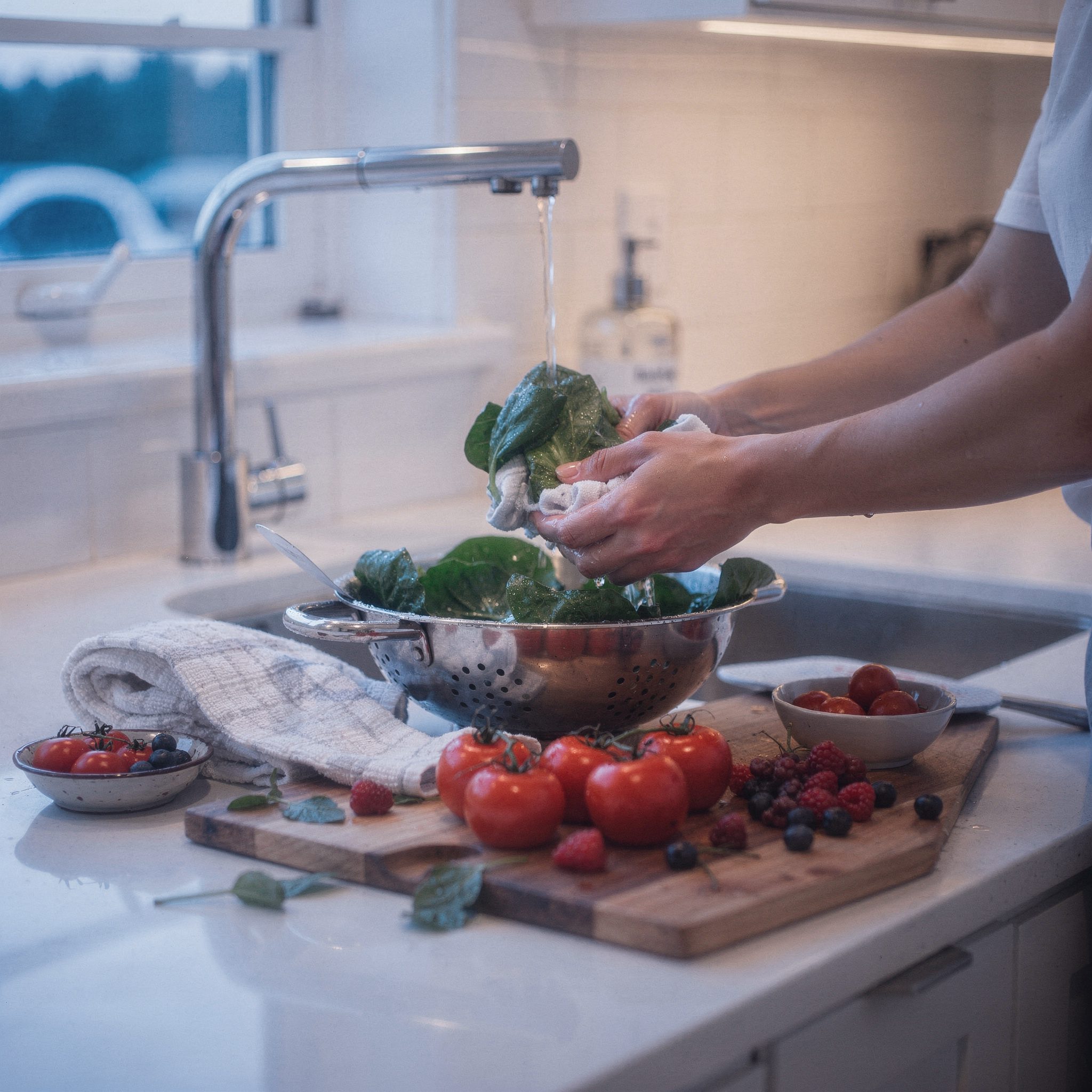
Why Washing Produce Actually Matters
Fresh produce travels a long way before it reaches your kitchen. Along the route, it can pick up soil, dust, handling residue, and sometimes microscopic pathogens.
Cyclospora is a parasite associated with contaminated fresh produce and water. It causes an intestinal illness called cyclosporiasis, which can bring on watery diarrhea, cramping, and fatigue.
Important reality check: washing reduces surface contamination, but it cannot guarantee removal of every parasite. That’s why smart handling and storage matter just as much as rinsing.
In other words, clean eating starts with layered habits — not a single magic step.
Step 1: Know Where Contamination Hides
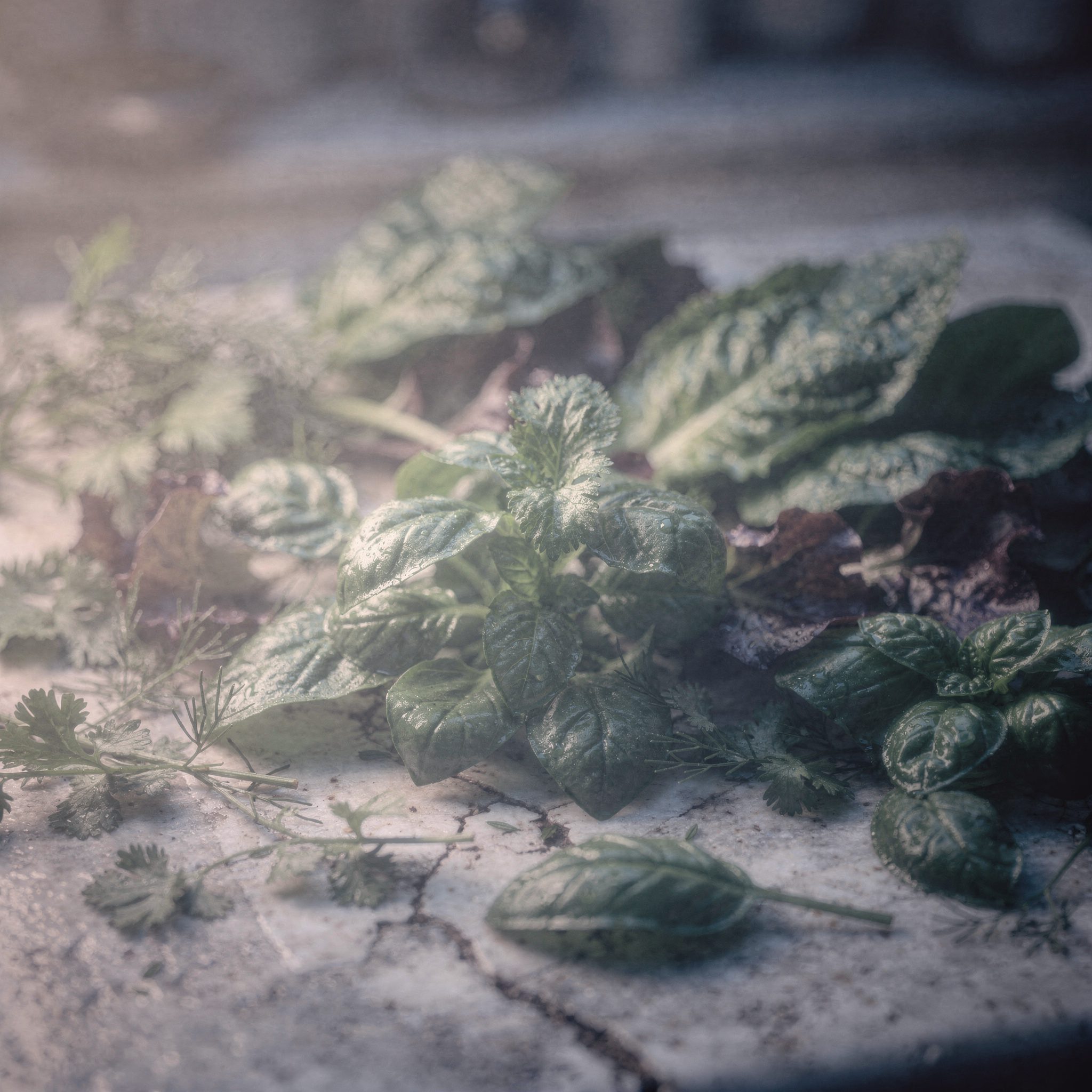
Before you wash, understand your enemy. The crevices and folds of produce are exactly where debris and residues cling.
Leafy greens trap dirt between layers. Berries have textured surfaces and tiny gaps. Firm produce like apples and cucumbers hold residue in their skin and stem areas.
Knowing this changes how you clean. A quick rinse over the top simply won’t reach the spots that matter most.
Start smart at the store
Good food safety begins before you get home. When selecting produce:
- Avoid items that are bruised, damaged, or moldy
- Choose firm, fresh-looking fruits and vegetables
- Separate produce from raw meat in your cart and bags
Step 2: Rinse Under Cold Running Water
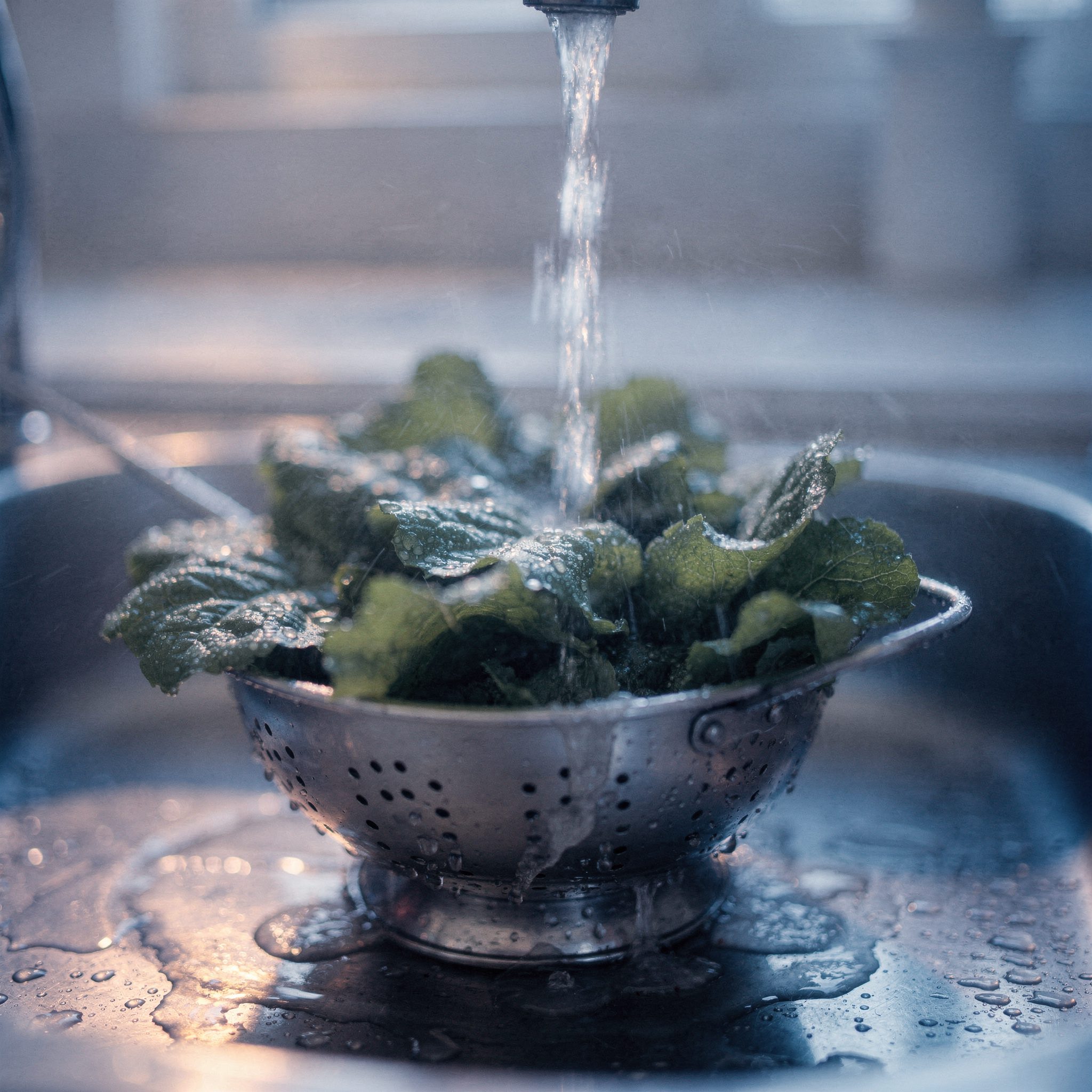
For most produce, cold running water is your best tool. Skip the soap, detergent, or bleach — these are not meant for food and can leave harmful residues.
Here’s how to do it well:
- Rub firm produce gently under a steady stream of water
- Use a clean produce brush on tough-skinned items like potatoes and melons
- Soak leafy greens in a bowl of water to loosen hidden debris, then rinse again
Even melons you plan to peel deserve a wash. Cutting through an unwashed rind can drag surface contaminants straight into the flesh.
Step 3: See the Difference and Prevent Cross-Contamination
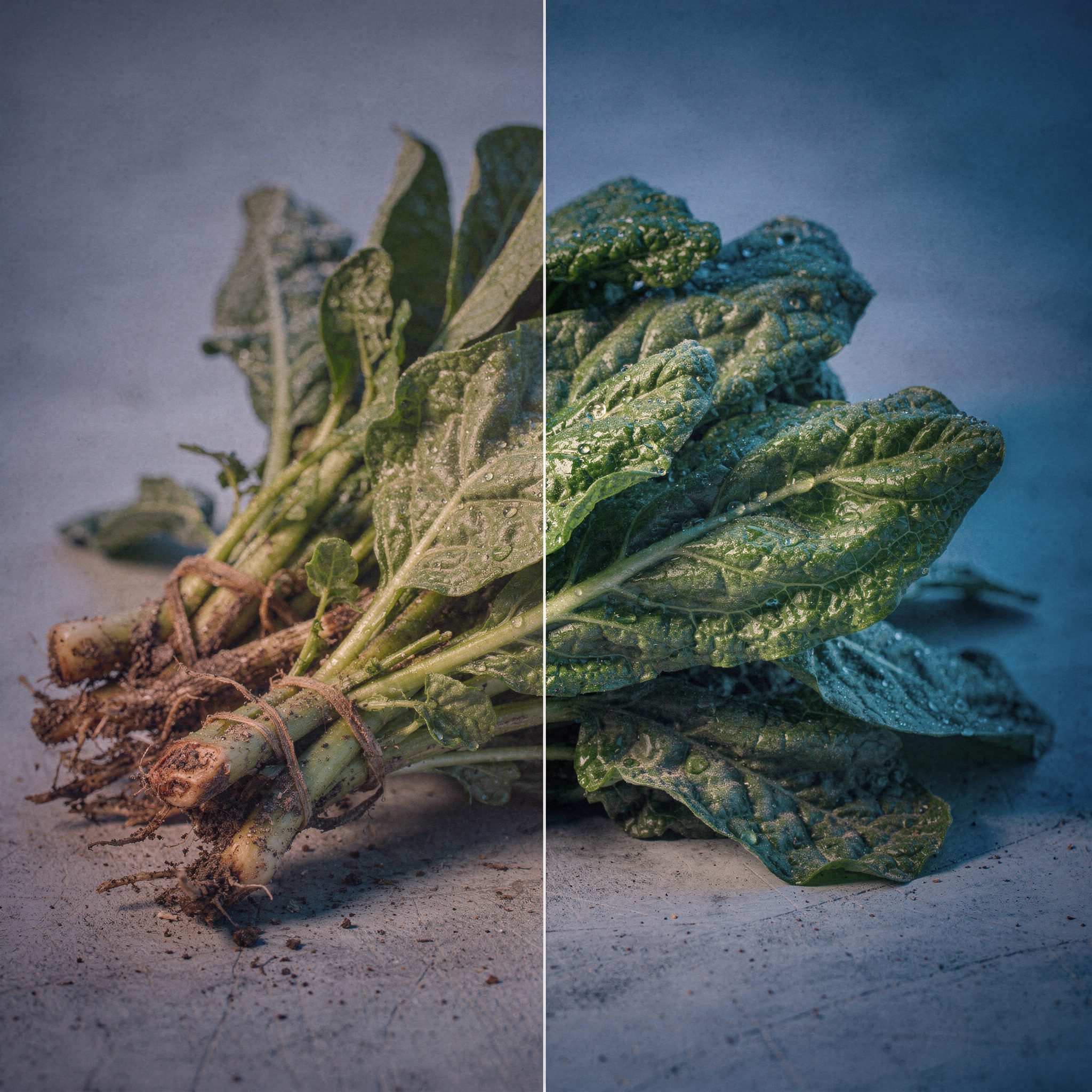
A proper wash removes visible soil, dust, and residue you might not have noticed. But washing is only half the battle — cross-contamination is the other.
Produce eaten raw should never share a cutting board with raw meat, poultry, or seafood. Bacteria and parasites travel easily from one surface to another.
A simple rule: give ready-to-eat produce its own clean board and knife. This one habit prevents a huge share of kitchen contamination.
Wash your hands with soap for at least 20 seconds before and after handling fresh produce, too.
Step 4: Dry Thoroughly
Drying isn’t just about tidiness. Moisture encourages microbial growth, so patting produce dry adds a layer of protection.
Use a clean cloth towel or paper towel to gently dry fruits and vegetables after washing. For leafy greens, a salad spinner works beautifully.
Dry produce also stays fresher longer, which means less waste in your fridge.
Step 5: Store It Right
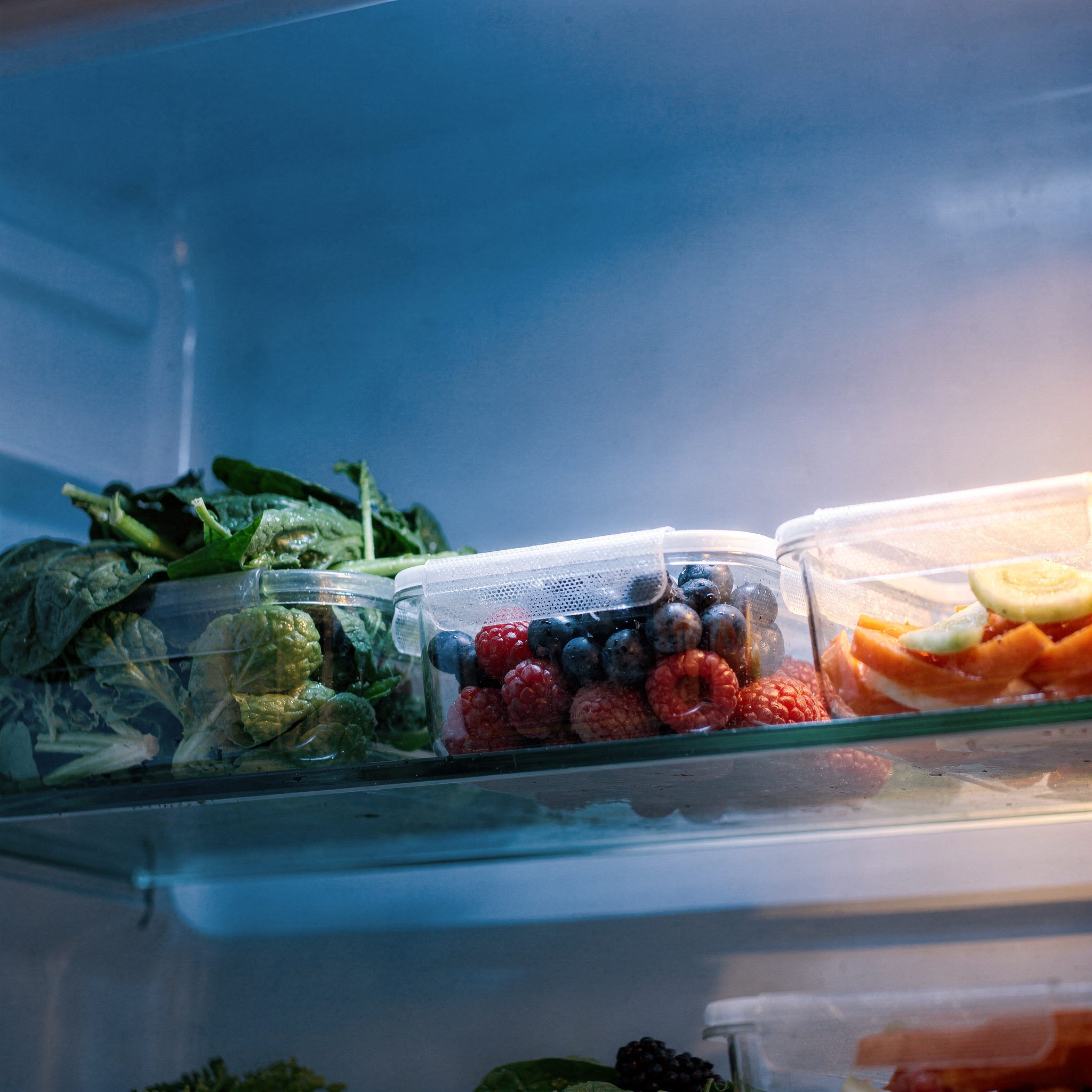
Proper produce storage keeps your food safe and extends its life. Refrigerate perishable items promptly — don’t leave them sitting out for hours.
Keep these storage habits in mind:
- Refrigerate cut or washed produce within two hours
- Use breathable containers to prevent trapped moisture
- Store produce separately from raw meats to avoid drips and cross-contamination
Small, consistent habits build a genuinely safer kitchen over time.
What Experts Say About Cyclospora
Health authorities emphasize that washing alone cannot fully eliminate Cyclospora from produce. The parasite can be difficult to remove through rinsing.
That’s why the focus is on prevention across the whole supply chain — plus careful home handling. If you experience prolonged watery diarrhea after eating fresh produce, consult a healthcare provider.
The takeaway isn’t fear. It’s awareness. Layered habits — smart selection, thorough washing, drying, and proper storage — give you real, practical protection.
Key Takeaways
Turning food-safety anxiety into confidence comes down to routine. Here’s your quick recap:
- Select carefully — avoid damaged produce and separate it from raw meat
- Rinse under cold running water — no soap, and reach the crevices
- Prevent cross-contamination — dedicated boards and clean hands
- Dry thoroughly — moisture invites microbes
- Store promptly and properly — refrigerate and use breathable containers
You don’t need special gadgets or harsh chemicals. Just cold water, clean surfaces, and consistent kitchen hygiene. You’ve got this.