5 Medieval Fortress Secrets You Never Knew Existed
5 Medieval Fortress Secrets You Never Knew Existed
What if a single stone wall could survive 2,000 years, deflect cannonballs, and shrug off earthquakes? Ancient fortress-cities did exactly that. Behind their weathered ruins hides engineering so clever it still baffles modern architects. These are the medieval fortress secrets history nearly forgot.
The Bastille and Our Fascination With Fortresses
Every July, France celebrates Bastille Day — a nod to its most legendary stronghold. The Bastille was stormed and demolished in 1789, but its memory keeps our fascination with fortress history alive.
Yet the Bastille was only one chapter. Across the world, ancient builders raised walls designed to outlast empires. Their forgotten methods reveal a mastery of medieval architecture we rarely appreciate.
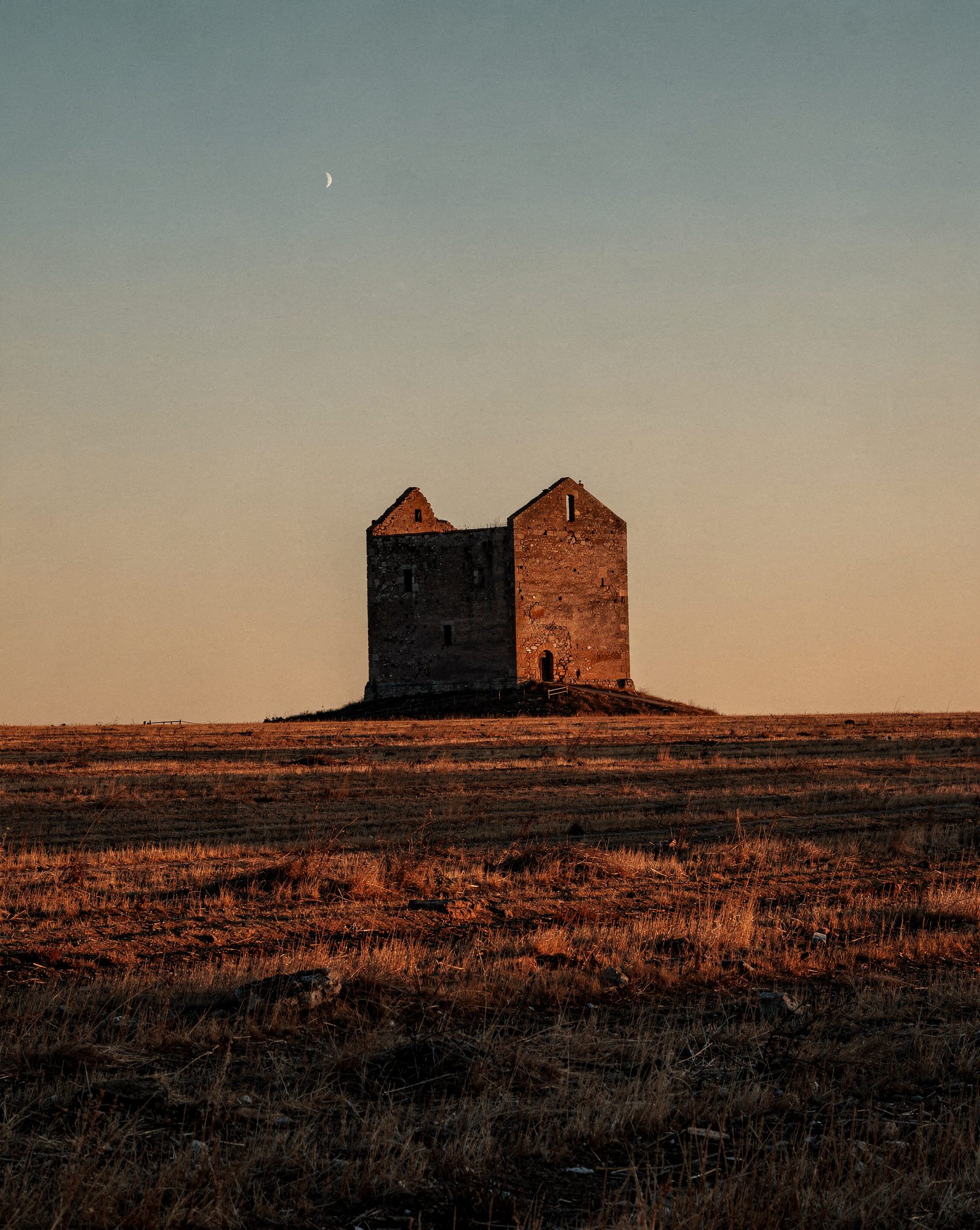
What looks like ruin today was once an impregnable marvel.
Secret #1: Walls Thick Enough to Stop an Army
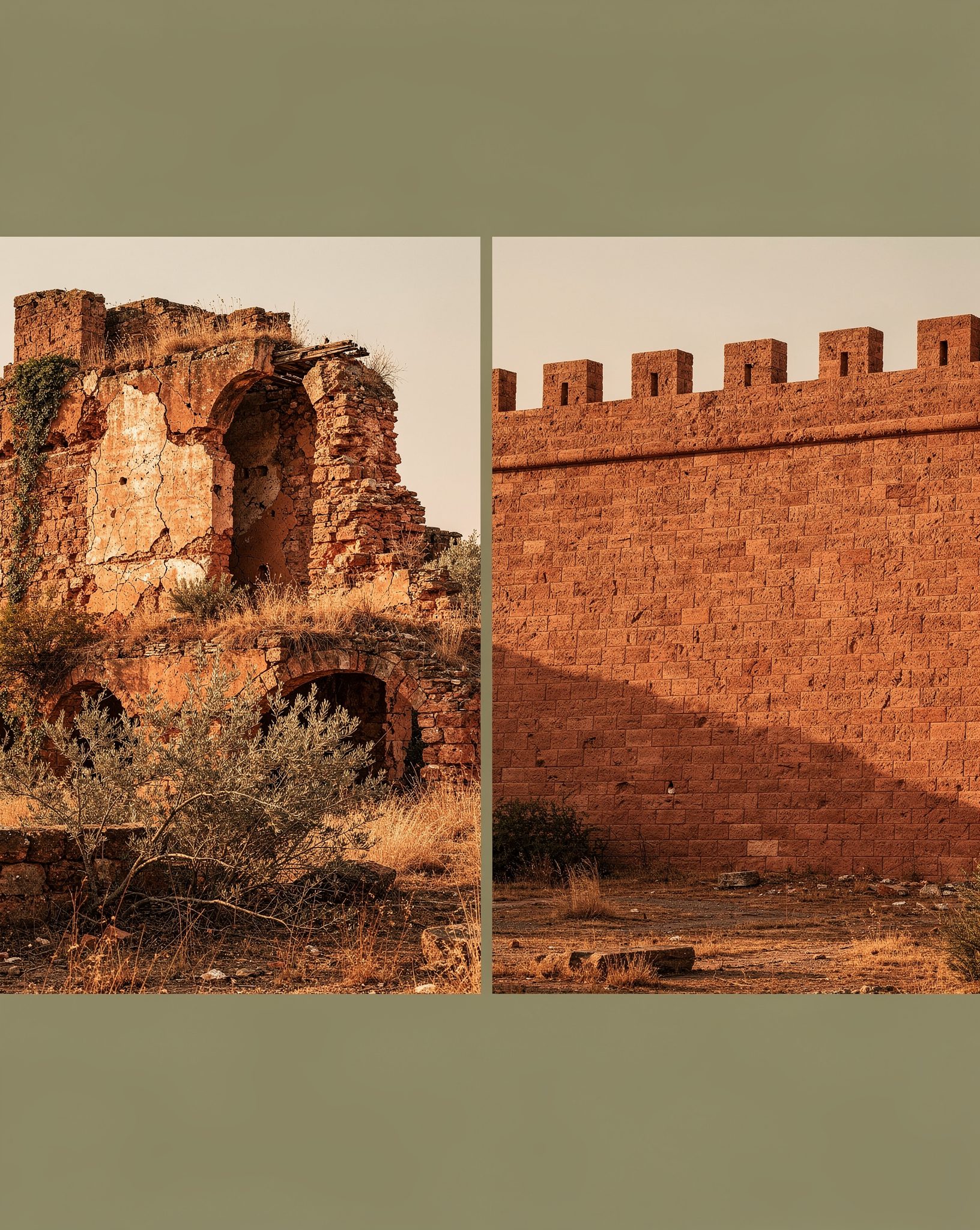
Some ancient fortress walls measured up to 6 meters thick. That’s not a typo. Builders stacked stone upon stone until the wall itself became a mountain no siege could crack.
Thickness wasn’t just for show. It absorbed the shock of battering rams, projectiles, and time itself.
Why thickness mattered
- Impact absorption: Thick cores swallowed the force of siege weapons.
- Insulation: Massive stone kept interiors defensible and stable.
- Longevity: Extra mass meant slower erosion over centuries.
This is the kind of fortress engineering that turned a building into a survivor.
Secret #2: The Genius of the ‘Batter’
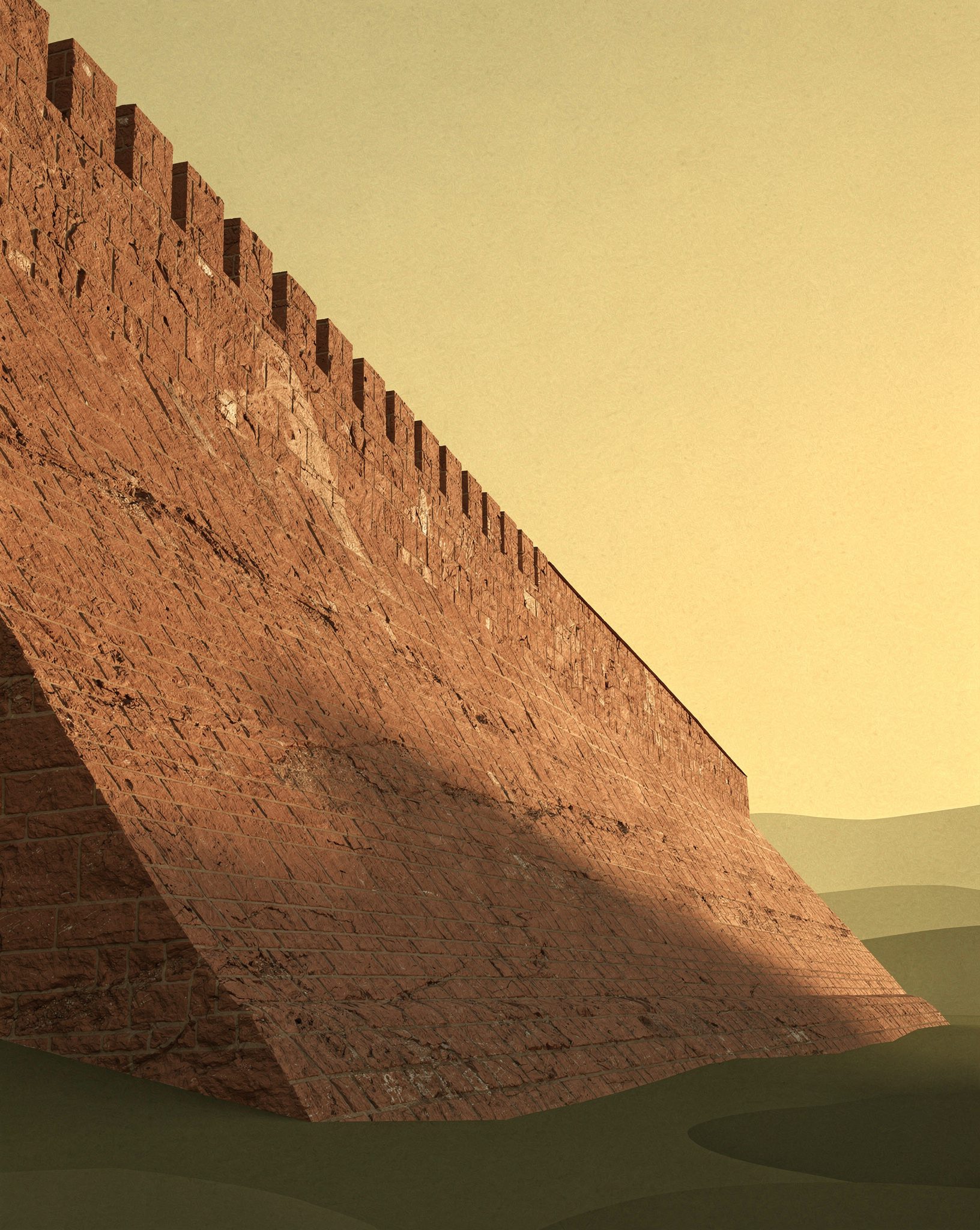
Here’s what you never knew: ancient builders angled fortress walls inward. This technique is called a batter, and it was pure genius.
A battered wall leans back at its base, growing wider toward the ground. The geometry looks simple — until you learn what it did.
What the batter accomplished
- Deflected cannonballs by presenting a sloped surface instead of a flat target.
- Improved stability against earthquakes by widening the foundation.
- Made scaling the wall harder for attackers below.
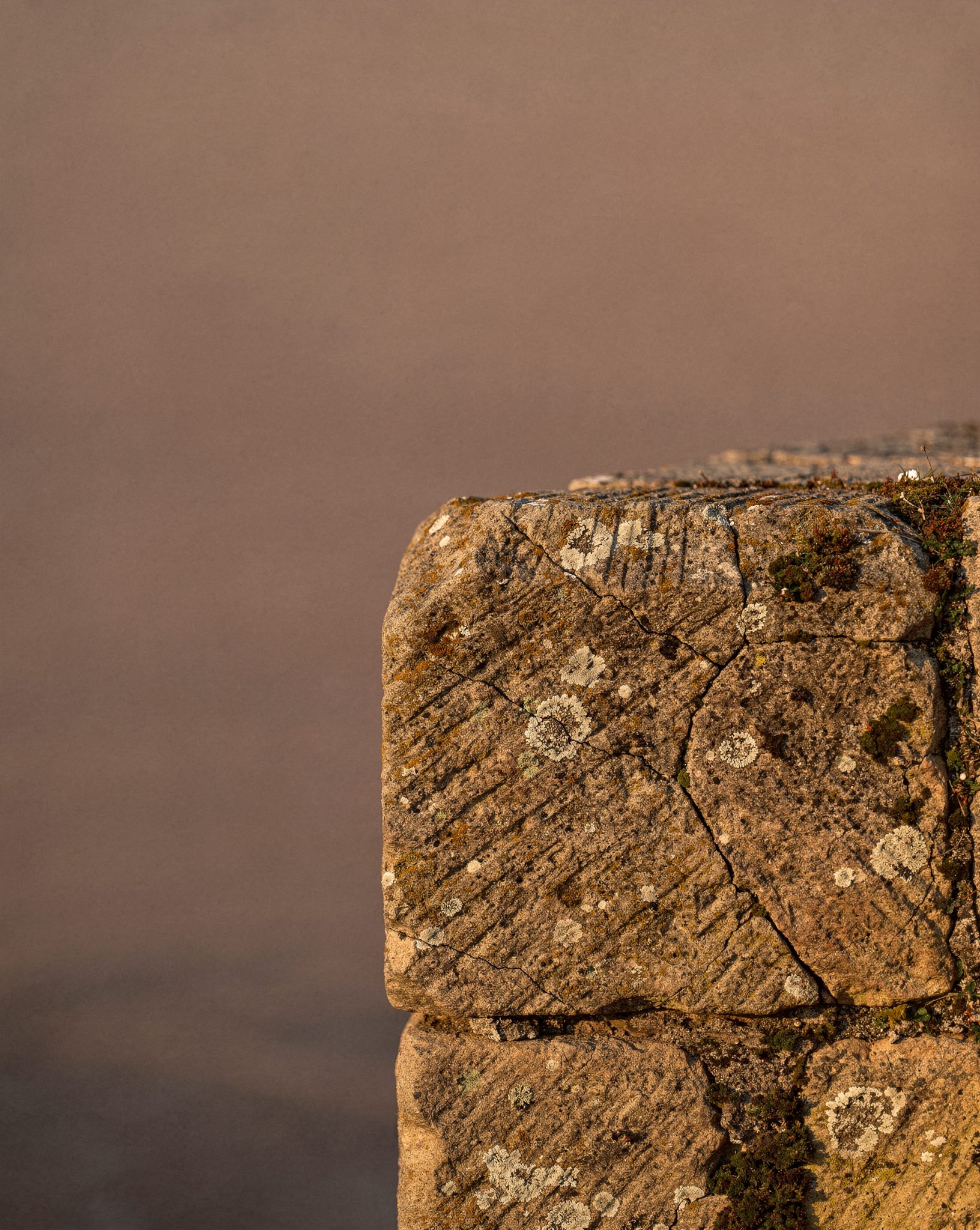
The genius hidden in the geometry only reveals itself from below.
The batter proves that medieval fortress design was as much about physics as it was about brute force.
Secret #3: Built to Outlast Empires
Ancient fortress-cities weren’t built for a generation. They were built for centuries. Their designers imagined a future long after their own lifetimes.
This long-term thinking shaped every choice — from the depth of foundations to the angle of every stone.
The result? Structures that watched empires rise and fall while standing firm. That endurance is why these historic castles still command awe today.
Secret #4: Survivors of Endless Sieges
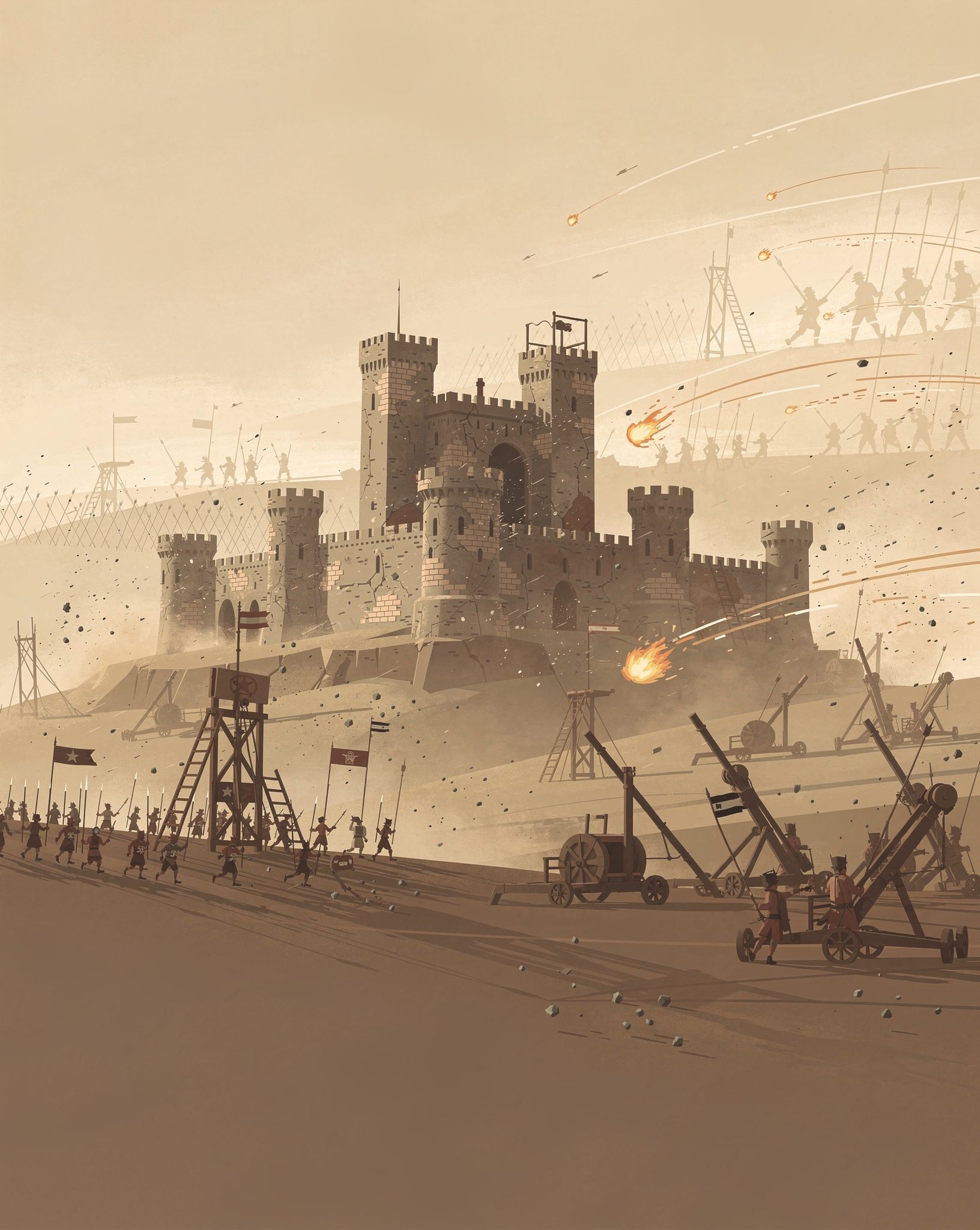
Some ancient fortresses withstood 20 or more sieges across a thousand years. Each attack left its mark, yet the walls held.
The wind and dust that erode them now once carried the smoke of battle. Every grain of stone tells a story of survival.
The layers of defense
Great strongholds rarely relied on a single wall. They stacked defenses like armor:
- Outer walls to slow attackers.
- Inner keeps as a final refuge.
- Elevated positions for archers and lookouts.
This layered approach is a hallmark of enduring fortress history.
Secret #5: The Silent Legacy of Fortress-Building
The Bastille was demolished, but the ancient art of fortress-building still stands worldwide — silent and eternal. These historical wonders continue to teach us about resilience.
From battered walls to meters-thick defenses, their fortress secrets are lessons in patience, physics, and vision.
Every stone was placed by someone who believed the future was worth defending.
Key Takeaways
Let’s recap the secrets that make medieval strongholds so remarkable:
- Massive walls — some up to 6 meters thick — absorbed sieges and time.
- The batter deflected cannonballs and resisted earthquakes.
- Long-term design allowed fortresses to outlast empires.
- Layered defenses helped structures survive 20+ sieges.
- Enduring legacy keeps this architecture alive today.
Which forgotten stronghold would you visit first? These marvels of medieval architecture prove that great engineering never truly dies.