Europe’s 2026 Total Solar Eclipse: A Rare Sunset Spectacle
Mainland Spain has not stood inside the Moon’s full shadow since 30 August 1905 — more than a century of waiting. On 12 August 2026 that drought ends, and it ends in the most cinematic way possible: with the Sun already low and golden near the horizon.
The total solar eclipse 2026 will sweep across Greenland, Iceland and northern Spain. For most of Europe it is a deep partial eclipse. For those inside the narrow path, it is a sunset that briefly turns into night.
Why the August 12 2026 Eclipse Is Different
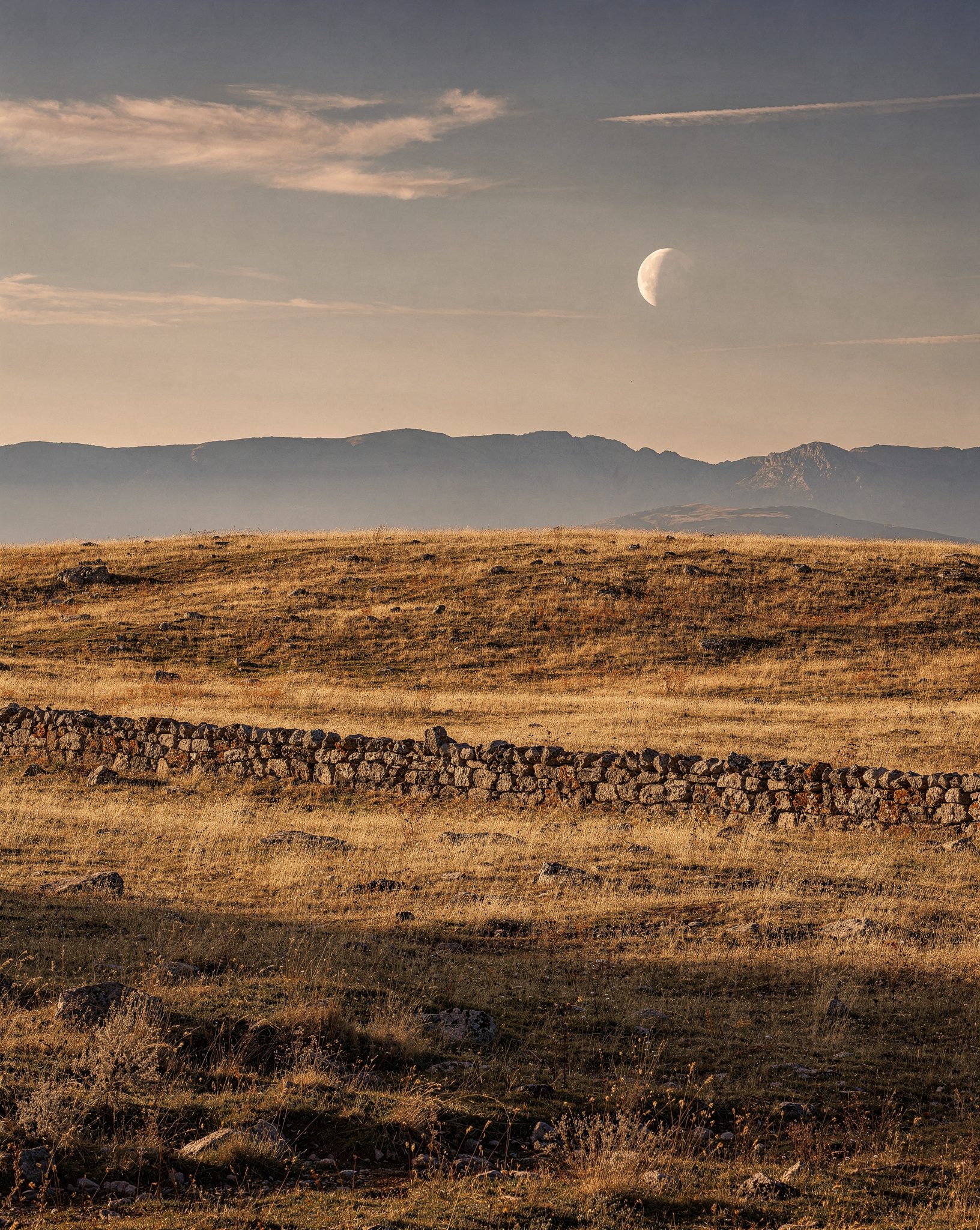
Most total eclipses happen with the Sun high overhead. This one does not. Along the Spanish leg, the Moon’s shadow arrives when the Sun sits low toward the horizon, which changes the entire visual character of the event.
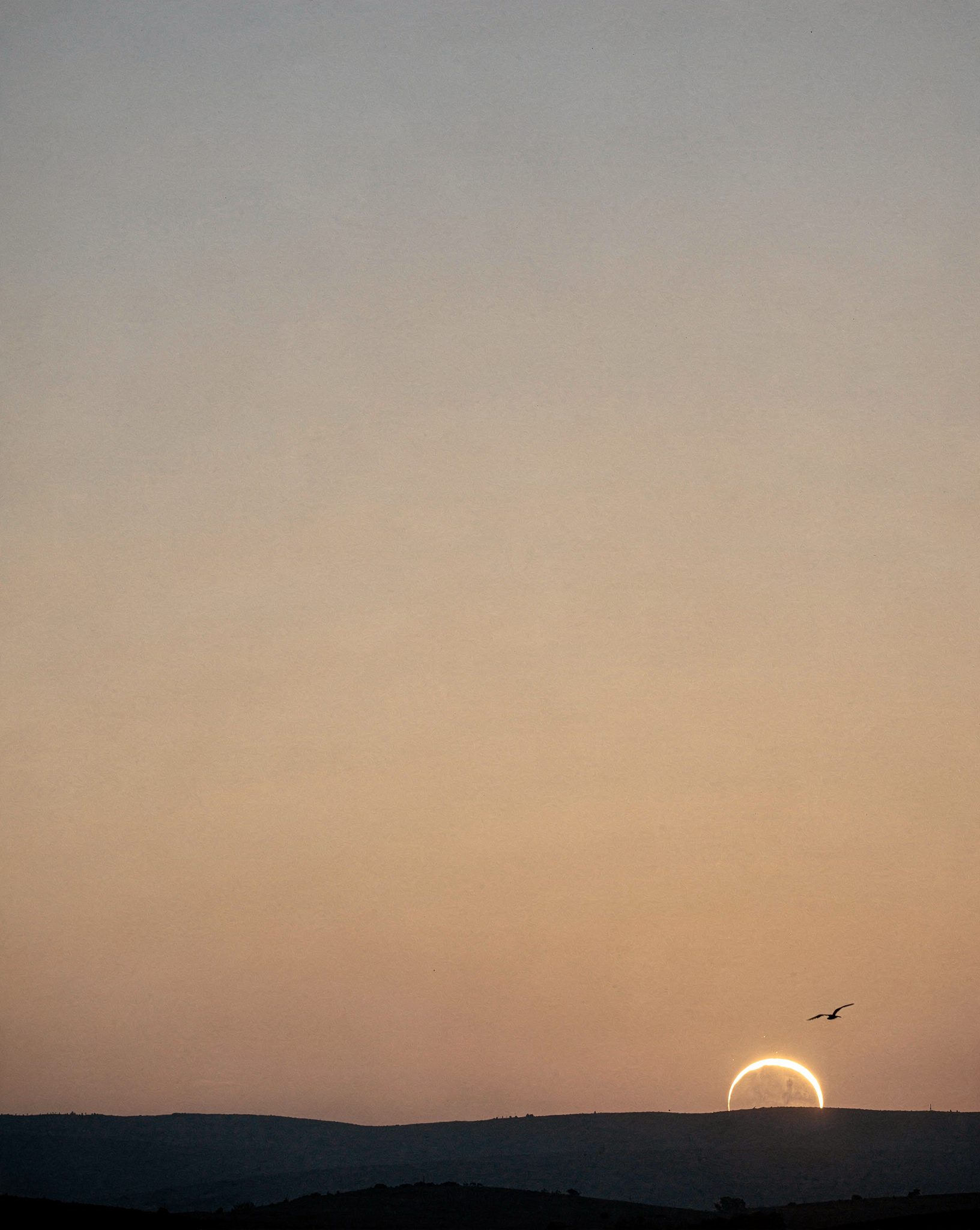
Instead of a dark bowl of sky directly above, observers get a layered scene: an amber horizon glow, a deep indigo sky higher up, and the corona hanging in between. Photographers call this a landscape eclipse rather than a sky eclipse.
A low Sun means the corona, the terrain and the horizon light all share the same frame — a composition that simply is not available when totality happens at noon.
The path in brief
- Greenland — remote, dramatic, logistically demanding.
- Iceland — accessible, but famously variable weather.
- Northern Spain — the low-Sun, sunset-toned leg of the track.
Everywhere else in Europe sees a partial eclipse, which is beautiful in its own right — and which brings us to the most underrated part of eclipse day.
The Hundreds of Tiny Suns Under Every Tree
During the partial phases, look down instead of up. Every gap between leaves acts as a natural pinhole camera, projecting tiny crescent suns onto walls and pavements.
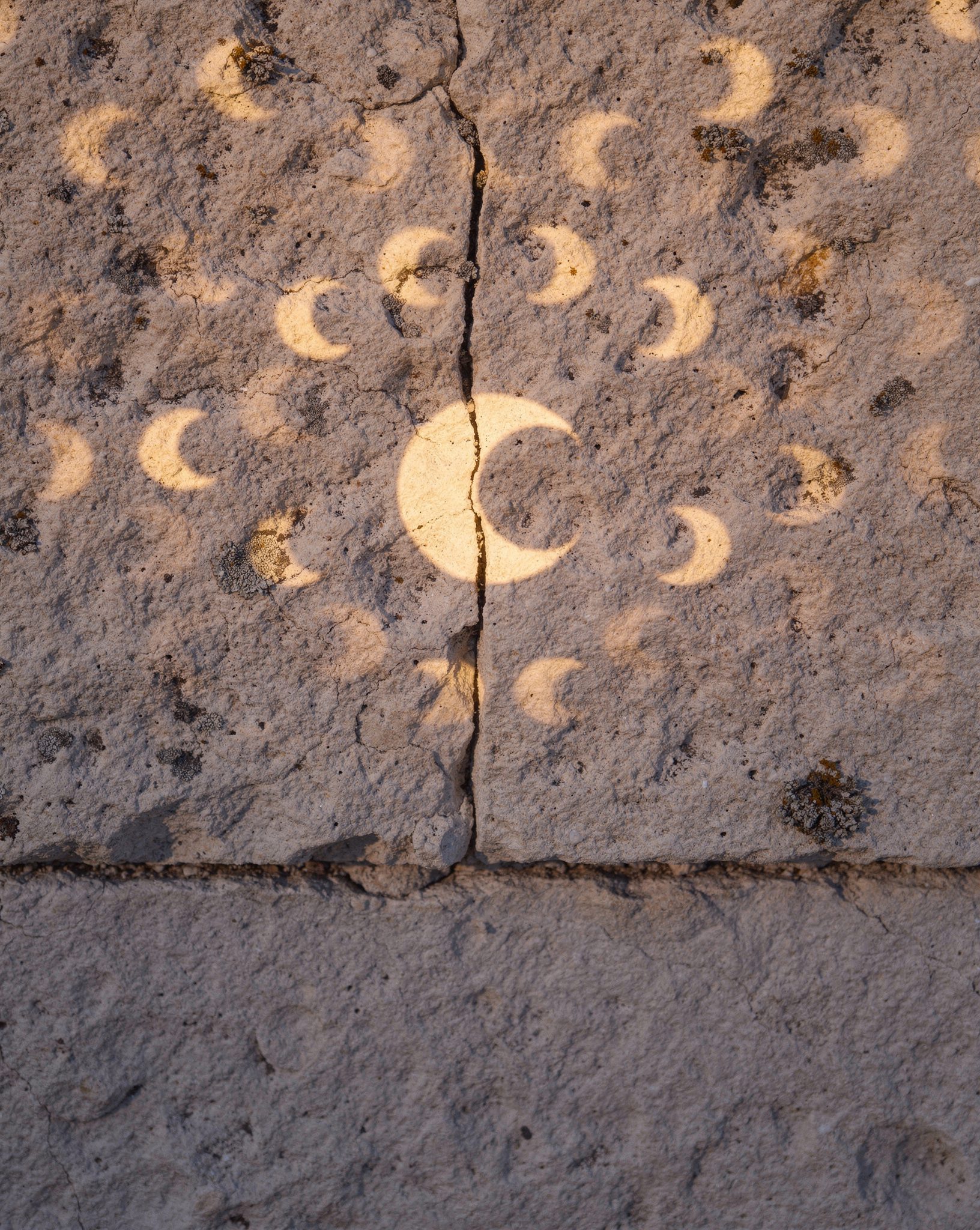
Those shapes are not leaf shadows. They are images of the Sun itself, partially covered by the Moon. It is the safest and most poetic way to watch the partial phases without ever looking upward.
Try this: stand near a leafy tree on a pale pavement, or hold a white card under the canopy. The crescents sharpen as the eclipse deepens, then flip orientation as the Moon moves past.
The Corona: A Million Degrees of Silver Light
Totality reveals the solar corona, the Sun’s outer atmosphere. It reaches over a million degrees Celsius — far hotter than the roughly 5,500°C visible surface beneath it.
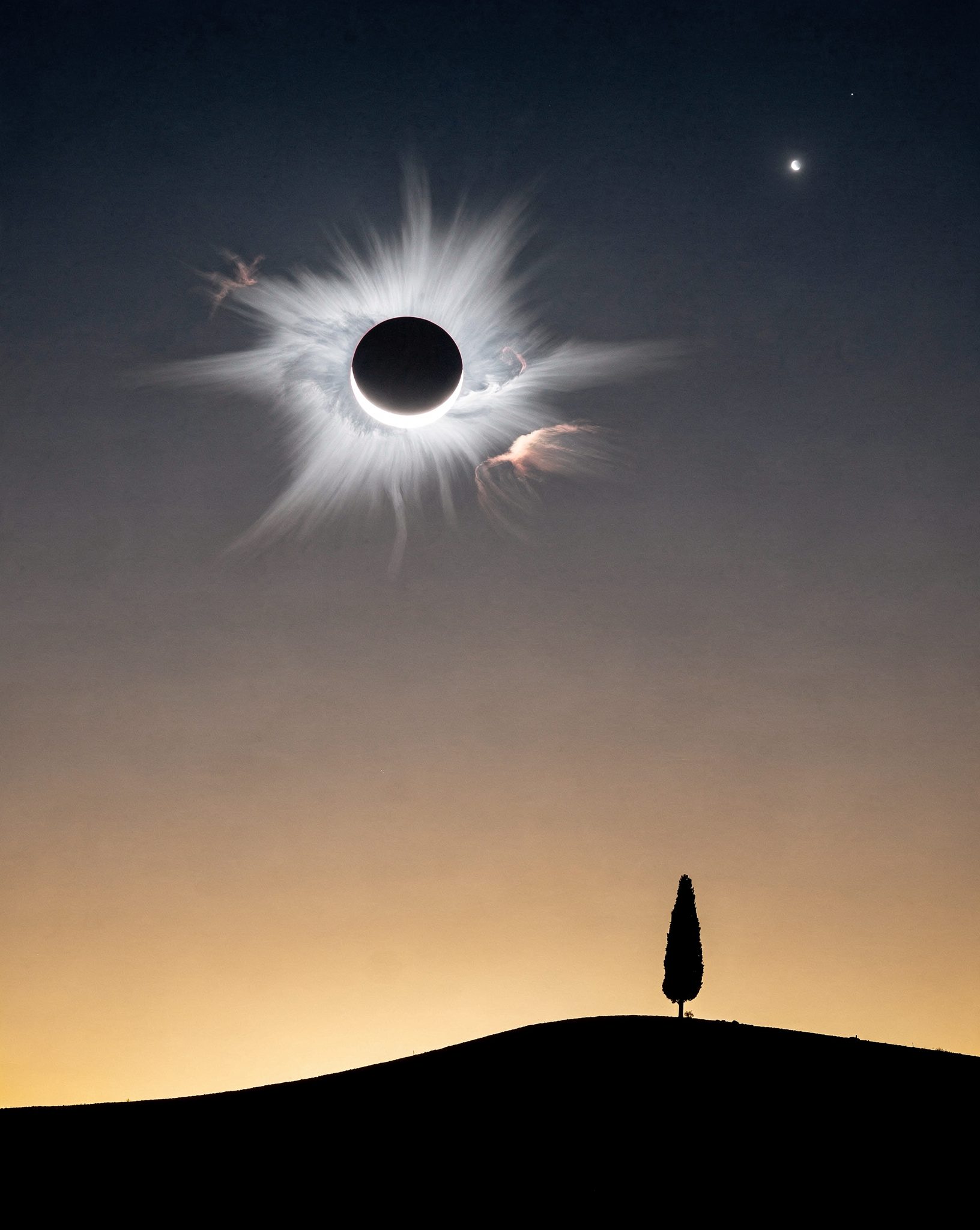
That temperature contrast is one of the great open questions in solar physics, and eclipses remain a rare chance to see the corona with human eyes. There is no filter, no screen, no processing between you and it.
The catch is time. In 2026 the longest totality lasts just over two minutes, and along much of the path it is shorter still.
Two minutes sounds generous until it starts. Then it evaporates.
Eclipse Viewing Safety: The Only Rules That Matter
Eclipse chasing is mostly waiting — filters checked, chairs set, shadows lengthening. The reward depends entirely on getting the safety part right beforehand.
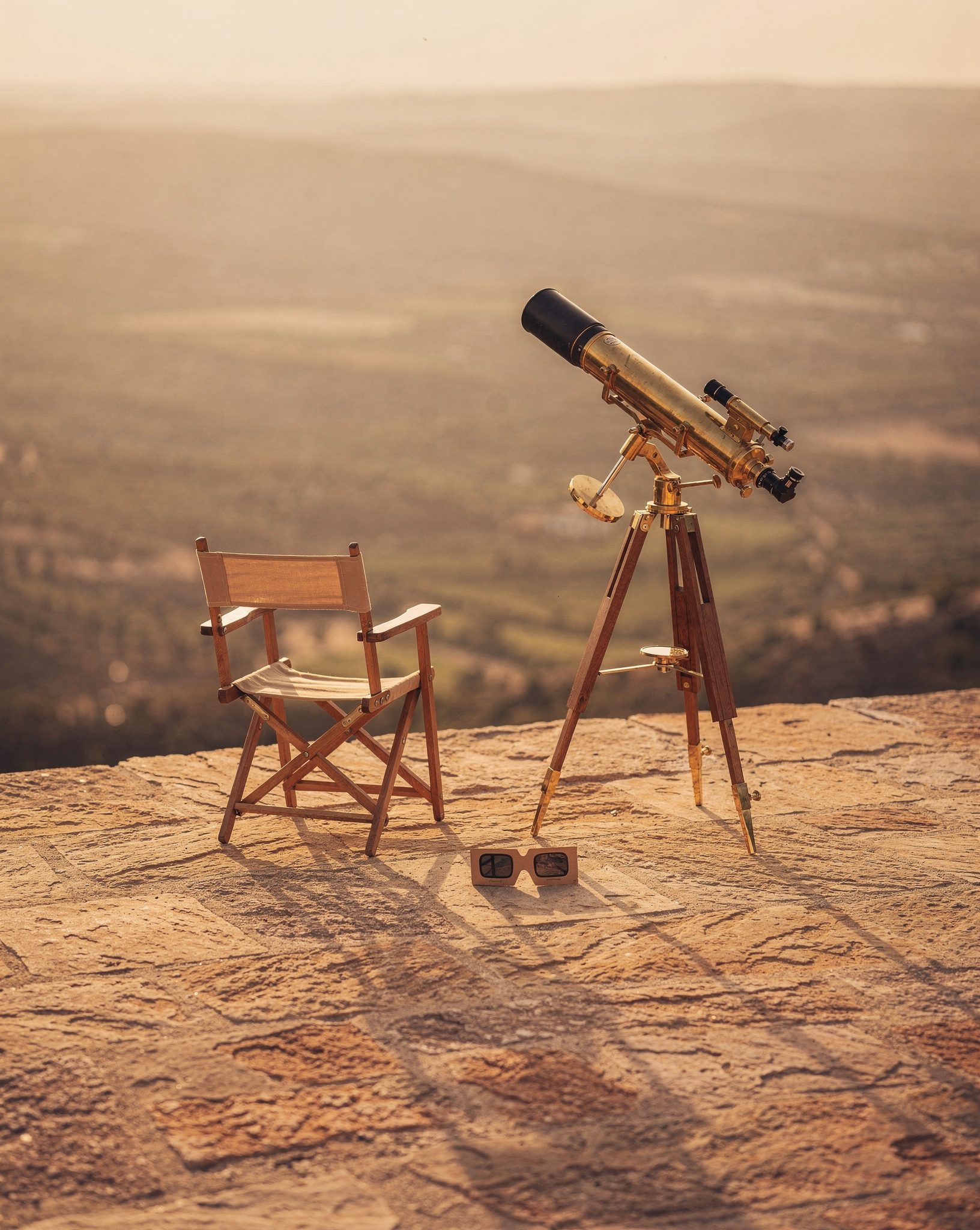
A safely filtered telescope and certified eclipse glasses are the only way to watch the partial phases directly. Ordinary sunglasses offer no protection whatsoever, no matter how dark they look.
Safe-viewing checklist
- Certified eclipse glasses for all partial phases.
- A proper solar filter on the front of any telescope, binoculars or camera lens.
- A pinhole card to project the crescent Sun onto a pale surface — no direct looking required.
- Naked-eye viewing only during totality itself, when the Sun’s bright disc is completely covered.
Inspect filters for scratches or pinholes before eclipse day. Supervise children closely, because the partial phases last far longer than anyone’s patience.
A Kit That Is Refreshingly Low Tech
You do not need expensive gear to have a great eclipse. The essentials fit in a small bag: filter glasses, a solar filter for optics, and a card with a hole punched in it.
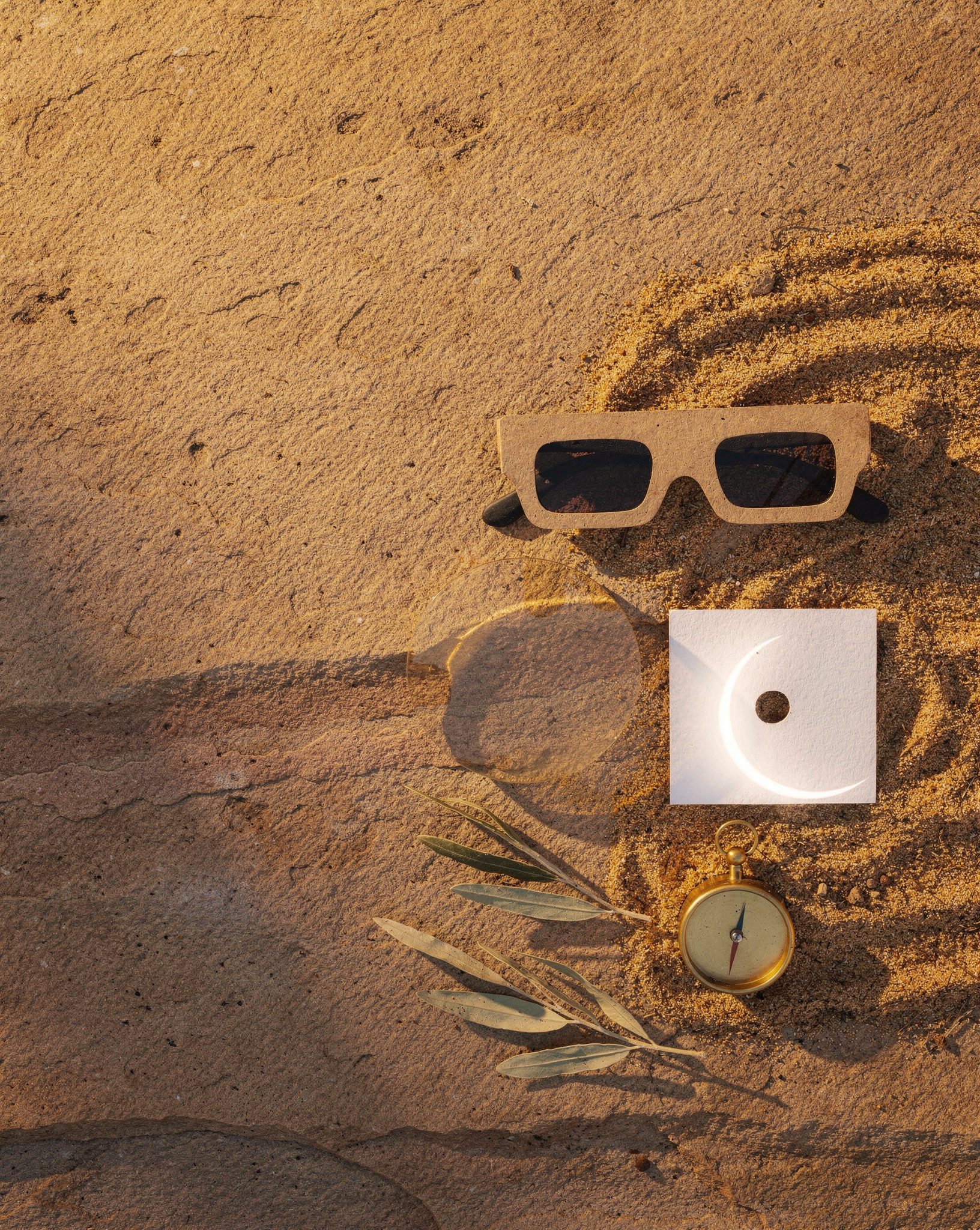
The geometry that makes all this possible is almost absurdly neat. The Moon is about 400 times smaller than the Sun, and it sits roughly 400 times closer to us.
So the two discs appear almost the same size from Earth. That coincidence is the only reason totality exists at all.
Notes for eclipse astrophotography
- Rehearse the sequence weeks ahead — there is no second take.
- Filter on for partials, off for totality, and practise the swap until it is automatic.
- Use the low Sun: include horizon, terrain and foreground rather than cropping tight.
- Budget time to simply look. A camera cannot record the feeling.
If You Miss It, Spain Gets a Second Chance
The Moon’s shadow crosses Earth faster than any passenger jet, so totality is always over too soon. Clouds, traffic and bad luck are real risks on any single eclipse day.
Fortunately, this is the rarest kind of consolation prize. Another total solar eclipse crosses southern Spain and North Africa on 2 August 2027.
Two totalities in twelve months, after more than a hundred years of nothing. For eclipse chasers, the 2027 solar eclipse in Spain turns 2026 into the opening act rather than the whole show.
Key Takeaways
- The total solar eclipse on 12 August 2026 crosses Greenland, Iceland and northern Spain.
- In Spain the Sun is low toward the horizon, making totality a sunset event.
- Mainland Spain last saw totality on 30 August 1905.
- The corona exceeds a million degrees Celsius; the visible surface is around 5,500°C.
- Longest totality in 2026: just over two minutes.
- Use certified glasses and filters for partial phases; sunglasses are never safe.
- Spain gets a second totality on 2 August 2027.
Plan early, book accommodation sooner than feels reasonable, and stay flexible about your final viewing spot. Then, for two golden minutes, put the camera down and look up.