5 Extreme Heat Deserts on Earth That Look Like Another Planet
Some places on Earth look so alien, so utterly transformed by heat, that you’d swear you were staring at another planet. Cracked ground that shatters like broken glass, salt flats stretching to the horizon, stone sentinels carved by millennia of wind — these are the landscapes born from relentless sun and extreme heat. As global temperatures continue to climb and heatwaves intensify worldwide, these extreme landscapes have become both breathtaking wonders and urgent warnings.
Join us on a serene yet awe-inspiring visual journey through some of the hottest deserts on Earth — terrains so extreme they blur the line between our world and worlds beyond.
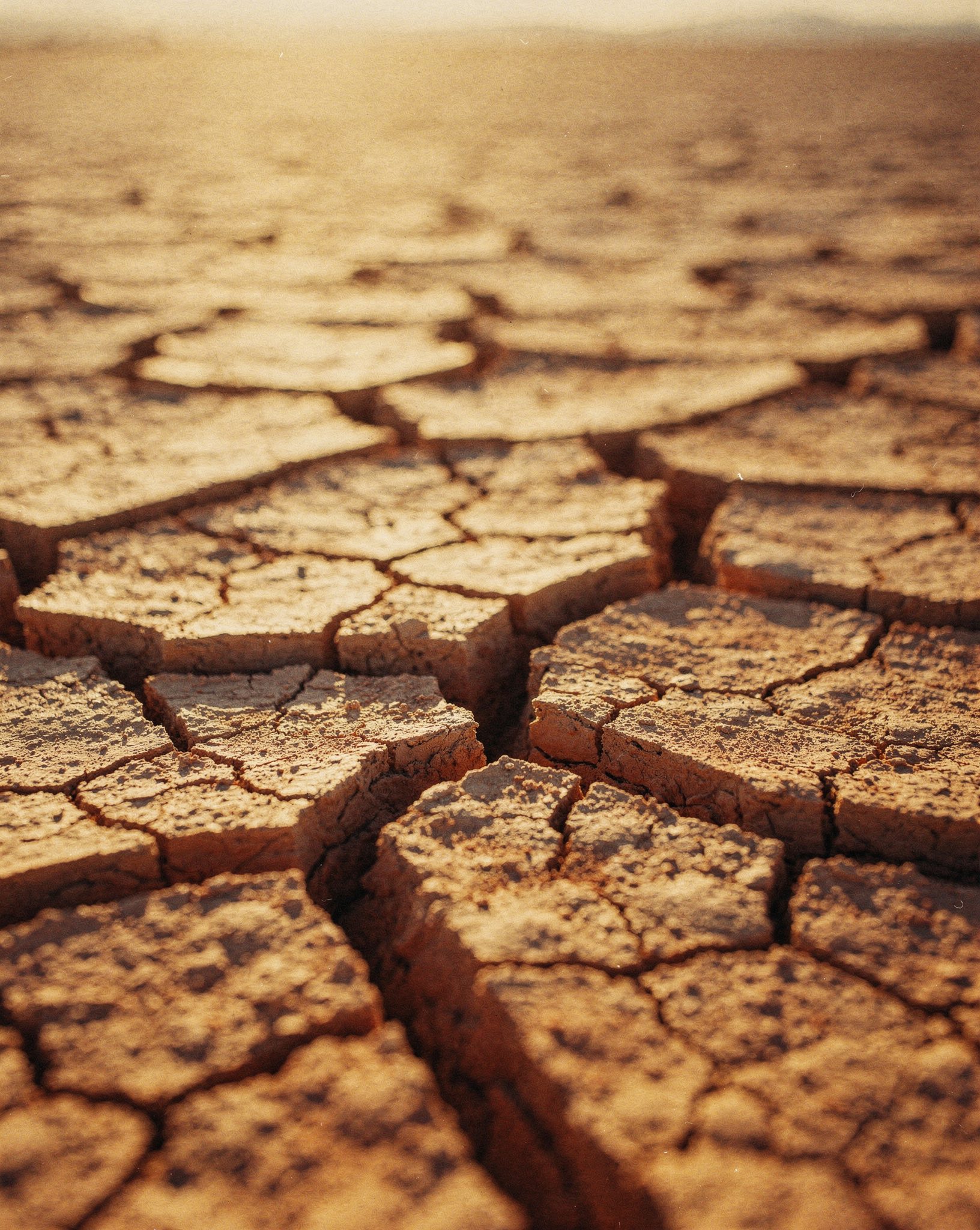
Where the Ground Shatters Like Glass
The image above isn’t from Mars — it’s a slice of Earth’s hottest desert floor, fractured by punishing heat. When the sun bakes clay-rich ground and every trace of moisture vanishes, the surface contracts and splits into intricate mosaic patterns. These cracked plains are one of the most iconic signatures of extreme heat desert environments.
What makes these alien terrain Earth features so mesmerizing is their scale and silence. Walking across them feels like stepping onto the surface of another planet, where the very ground beneath your feet tells the story of heat pushed to its absolute limit.
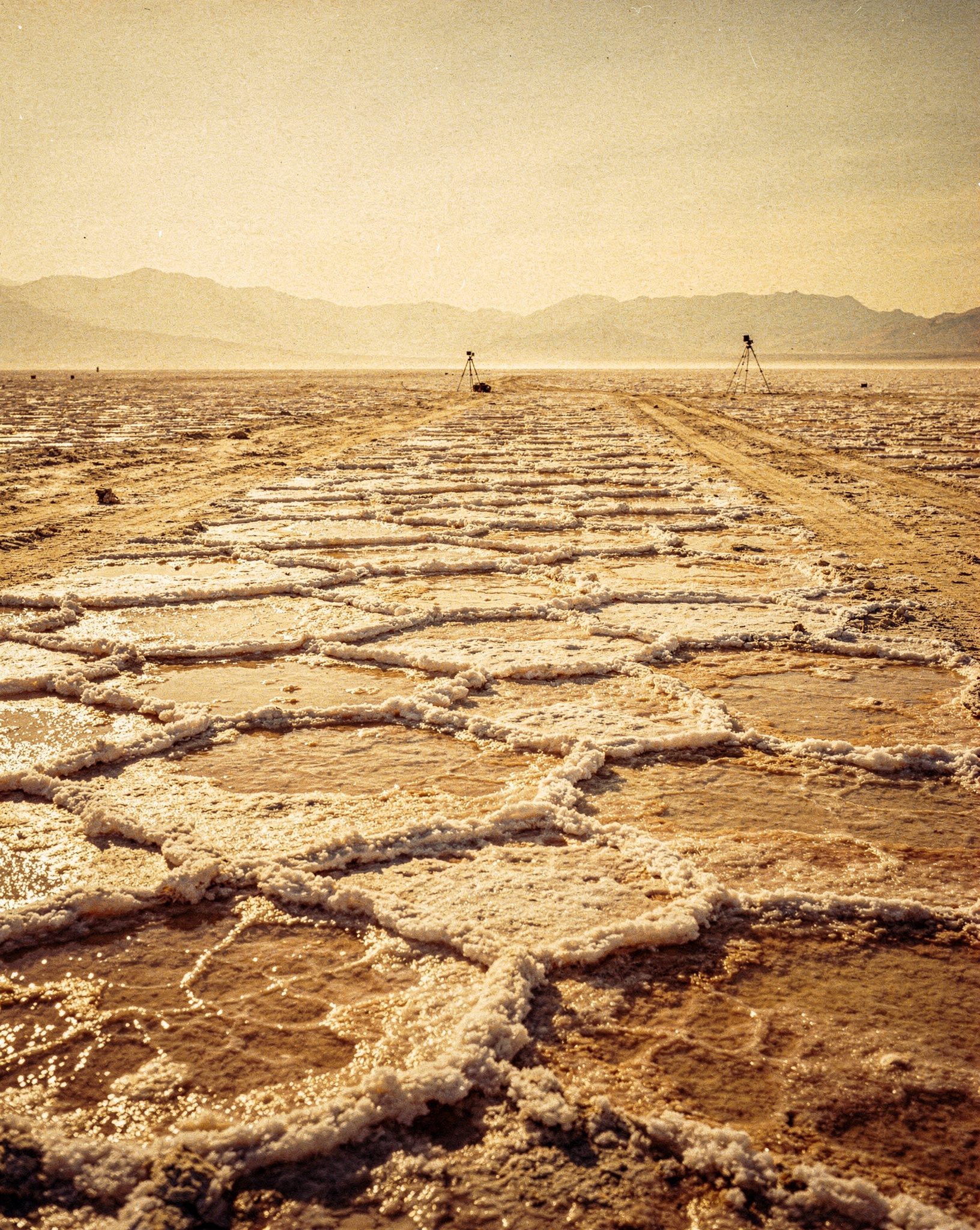
Death Valley: The Honeycomb Salt Flats
In North America’s lowest and hottest point, temperatures can climb to a scorching 54°C. As shallow water evaporates under this relentless sun, dissolved minerals are left behind to crystallize into vast honeycomb-patterned salt flats. This is nature literally rebuilding the ground, one crystal at a time.
The Death Valley salt flats are among the most famous heatwave landscapes on the planet. Their geometric ridges and blinding white expanses create a surreal, otherworldly beauty that draws photographers and adventurers from around the globe.
Why Salt Flats Form in Extreme Heat
The process is deceptively simple yet powerful:
- Rain or groundwater carries dissolved minerals into a low basin.
- Intense heat evaporates the water rapidly.
- Minerals are left behind, forming crusts and crystalline ridges.
- Repeated cycles build the distinctive honeycomb patterns.
The result is a landscape shaped almost entirely by the sun — a living monument to extreme heat.
Stone Sentinels of the Driest Deserts
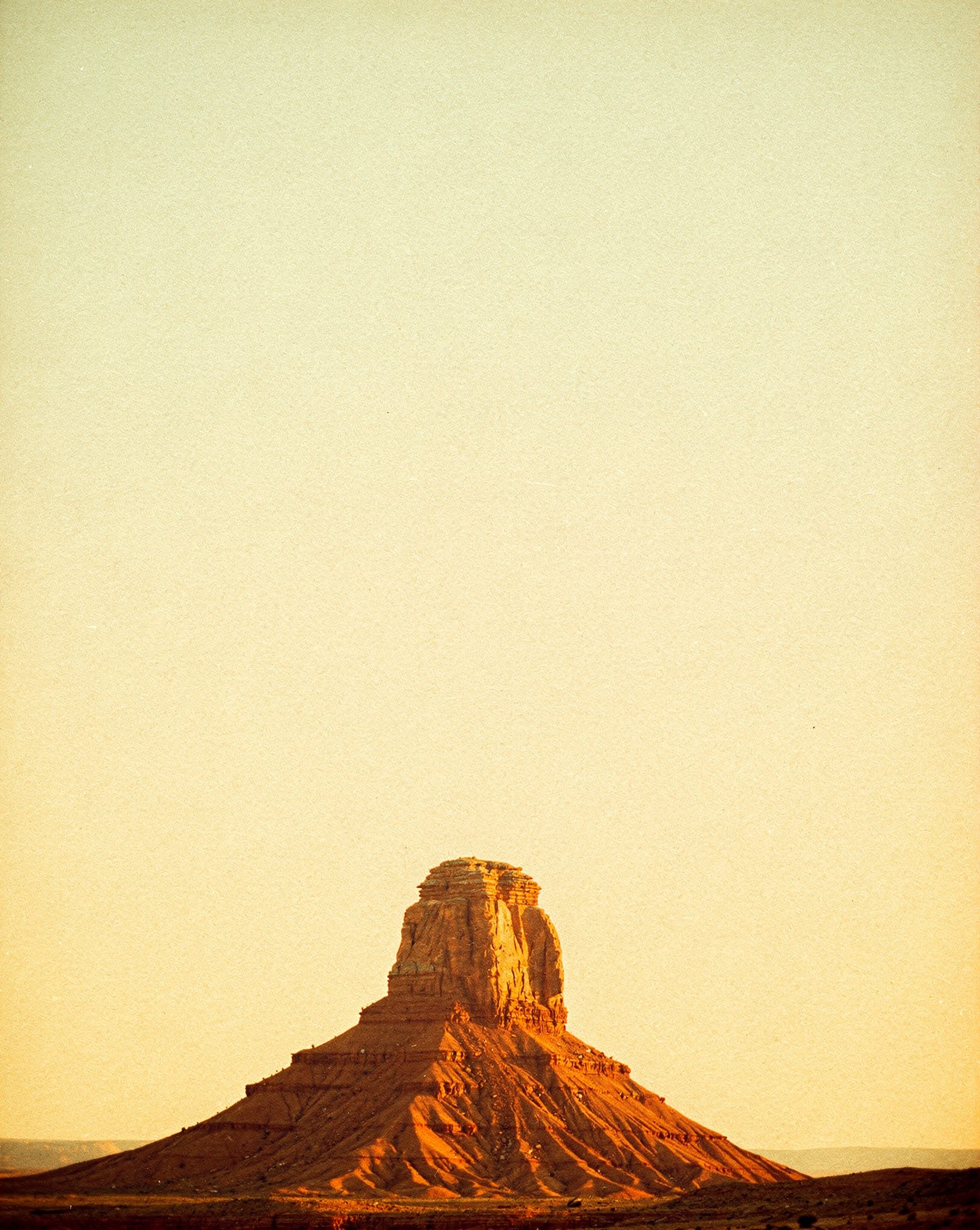
In the world’s driest deserts, wind and heat work together over thousands of years to carve lone stone formations that stand like silent sentinels. Here, the silence is total — a strange serenity born from extremity itself.
These remote landscapes feel frozen in time. Every ridge and curve in the rock is the result of countless seasons of thermal expansion, contraction, and abrasion. Yet these calm giants are a reminder that even the most peaceful-looking terrain has been shaped by violent, relentless natural forces.
The Art of Erosion
Extreme temperature swings between blistering days and cold nights cause rock to expand and contract until it fractures. Combined with wind-driven sand, this slow sculpting produces some of the most striking natural monuments found anywhere on Earth.
A Valley Transformed in a Single Season
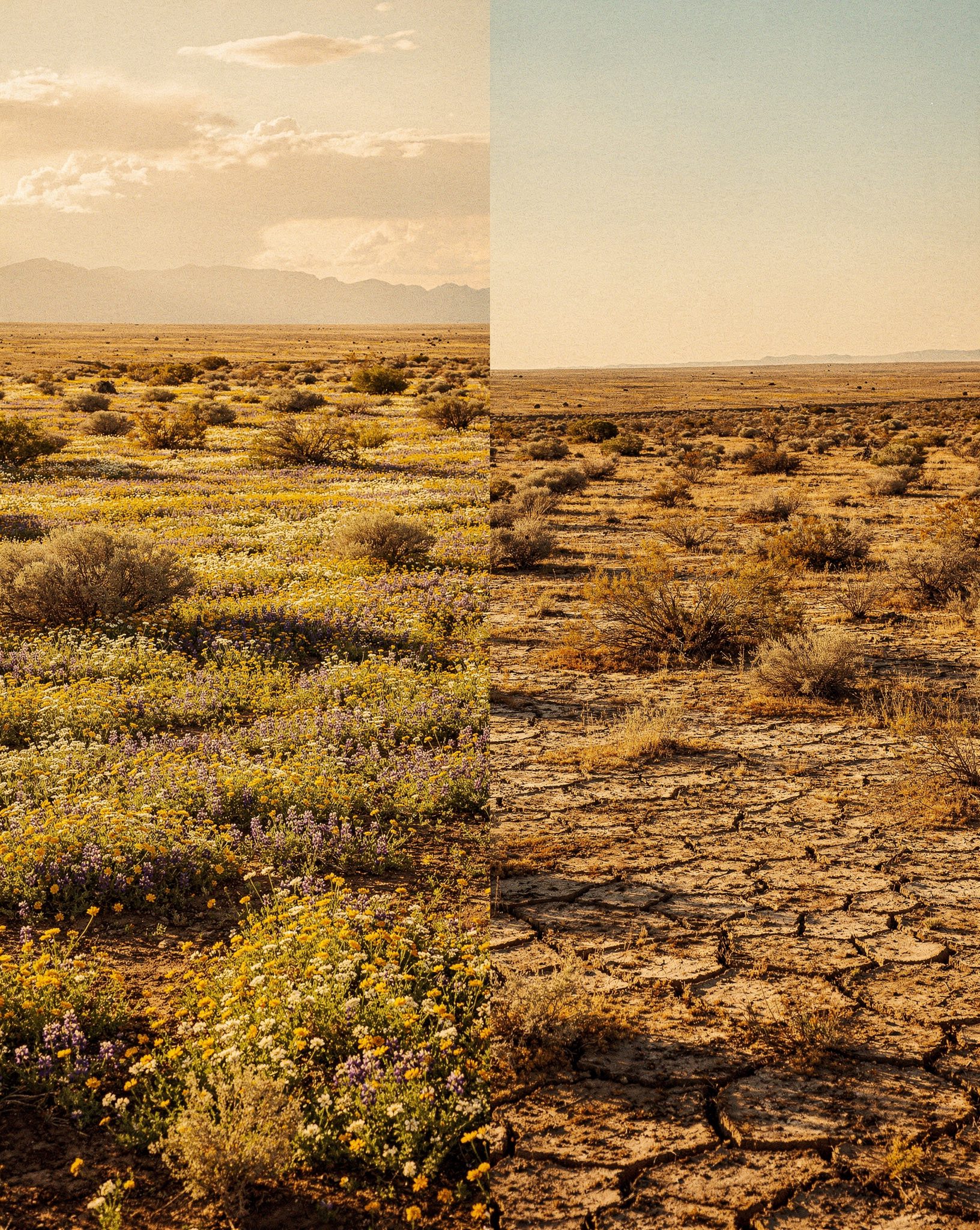
Perhaps the most haunting image in this journey shows the same valley — separated only by a season of extreme heat. Lush green meadows can turn into sun-scorched clay in just weeks as heatwaves intensify around the globe.
This dramatic transformation illustrates why recent years have shattered global temperature records. What was once fertile land can become a cracked, arid expanse in a stunningly short time. It’s a vivid, sobering example of how quickly extreme landscapes can emerge when heat becomes overwhelming.
A Warning Written in the Land
These rapid changes remind us that heat-scorched terrain isn’t only found in remote deserts. As the climate warms, more regions are experiencing the kinds of extreme conditions that create these alien-looking landscapes. The beauty is undeniable — but so is the message.
Ancient Rivers Etched in Amber
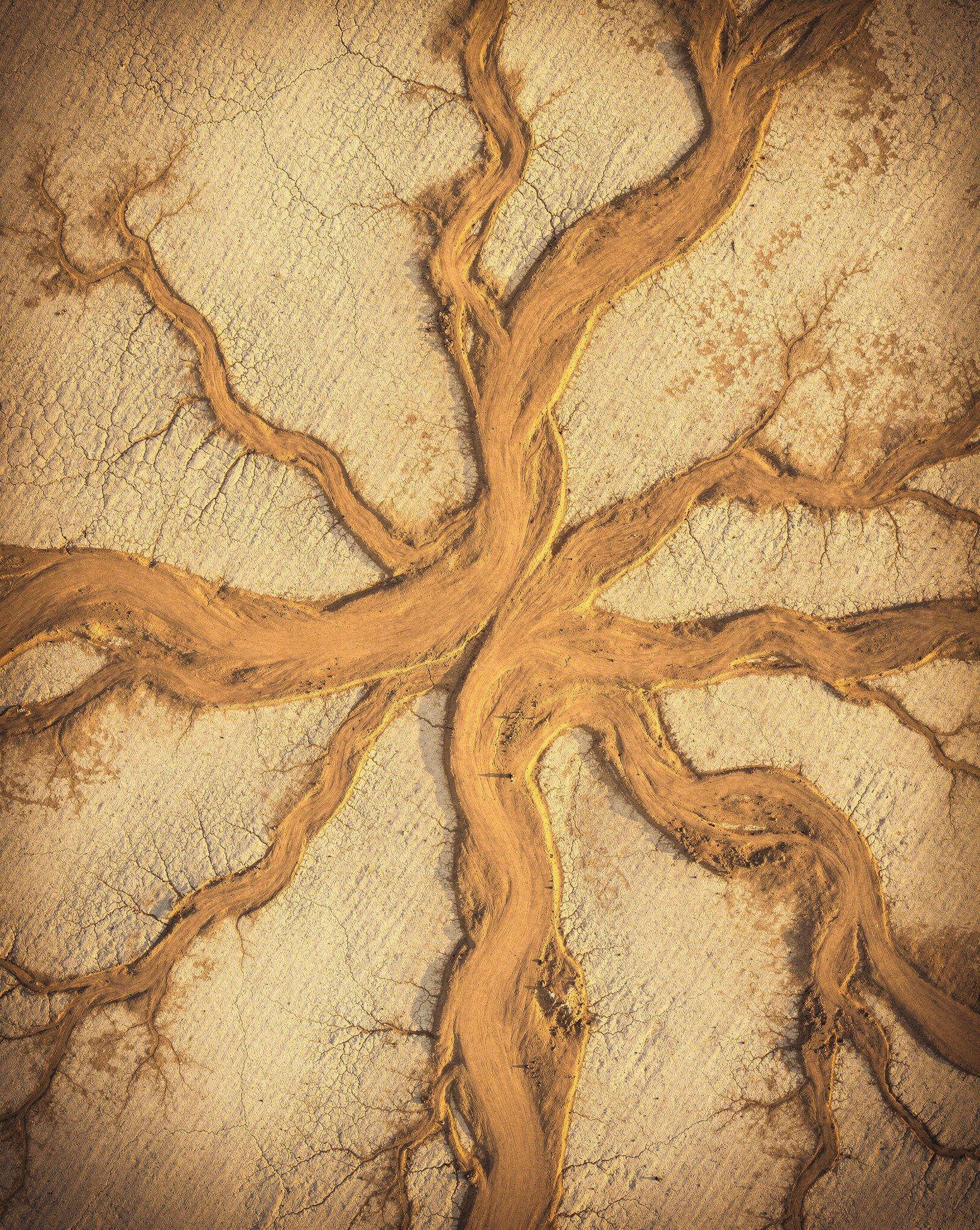
Seen from above, Earth’s driest scars become breathtaking works of art. Ancient riverbeds — long since dried out — remain etched into the ground like veins of silent amber. From this bird’s-eye perspective, the harshness of the terrain gives way to something almost painterly.
In a warming world, these hottest deserts on Earth stand as both a warning and a wonder. They show us the raw power of heat to reshape our planet, while also revealing an unexpected, fragile beauty.
Why These Extreme Landscapes Matter
The alien terrain Earth offers us isn’t just visually stunning — it’s a window into how our planet responds to extreme conditions. Each cracked plain, salt flat, and wind-carved stone tells a story of transformation. As heatwaves and wildfires trend upward globally, understanding these landscapes helps us appreciate both the resilience and the vulnerability of our world.
From the Death Valley salt flats to the silent stone sentinels of remote deserts, these heatwave landscapes invite us to pause and reflect. They are extreme, they are beautiful, and they are changing.
Which Alien Landscape Would You Visit?
Whether it’s the shattered desert floor, the honeycomb salt flats, or the amber scars of ancient rivers, each of these extreme heat desert environments offers a glimpse into a world that feels far removed from everyday life. They remind us that Earth itself can look like another planet — and that our fragile world is worth protecting.
Save this journey, share the beauty, and let these extraordinary remote landscapes inspire a deeper appreciation for the planet we call home.