How to Style Breakfast Like a Pro: The Plating Secret That Changes Everything
There’s a reason your homemade scrambled eggs never look like the ones on your favorite food blog — and it has absolutely nothing to do with the recipe. The video above captures exactly what this feels like in a visceral, side-by-side split-screen that’s been making people rethink every breakfast they’ve ever plated. Same eggs. Same toast. Same coffee. Wildly different results.
What Makes This Breakfast Transformation So Compelling
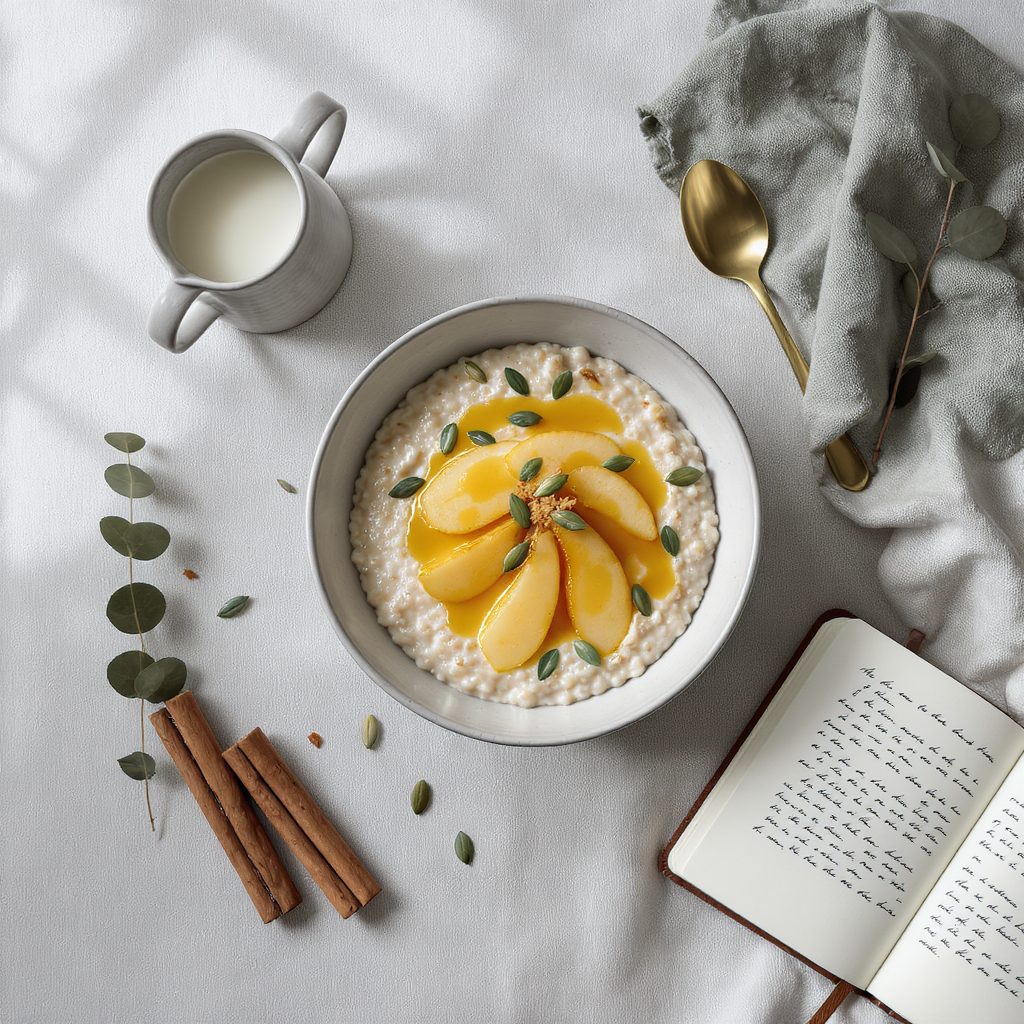
We eat with our eyes first — that’s not just a cliché, it’s neuroscience. Studies show that beautifully plated food actually tastes better to us because our brains start the reward process before the first bite. The split-screen in the video exploits this hard. On the left, you see what most of us actually produce on a Tuesday morning: eggs slightly overcooked, toast flopped onto whatever plate was clean, coffee in a mug with a chip on the rim. It’s honest. It’s real. And it makes the right side hit even harder — because the ingredients are identical, but every single visual cue has been intentionally elevated. The warm terracotta plate, the deliberate negative space, the chive garnish placed with tweezers-level precision, the single-source golden light that makes everything glow like a Kodak Portra photograph. It triggers an almost painful FOMO: my mornings could look like this?
Breaking Down the Styling Details
Let’s get specific about what actually changed between the left and right sides, because it’s surprisingly accessible:
- Light direction: The amateur side uses flat overhead fluorescent light. The styled side uses a single warm light source from the upper left (a window works perfectly) creating natural shadows and depth.
- Plate choice: A warm-toned, matte plate instantly adds texture and richness. White plates can work, but matte earth tones photograph more warmly.
- Negative space: The styled plate leaves 30-40% of the surface empty. Crowded plates look chaotic in photos.
- Height and texture: The eggs are gently mounded (not spread flat), the toast is angled and leaning, the coffee has deliberate latte art. Vertical dimension creates visual interest in overhead shots.
- Supporting props: A linen napkin, a wooden surface, and a single fresh herb sprig. Three items, massive impact.
How to Recreate This Look at Home
You don’t need professional equipment. Here’s the exact process:
- Move your plate near a window. Turn off all artificial lights. Natural side-light is your best friend.
- Choose one warm-toned plate and one textured surface (a cutting board, a linen cloth, even a wooden tray).
- Plate with intention: mound don’t spread, lean don’t lay flat, garnish with one fresh element.
- Shoot from directly overhead with your phone. Tap to focus on the food, not the background.
- Edit with a warm filter — boost warmth slightly, drop highlights, add a touch of grain for that vintage feel.
Five steps, five minutes, and your breakfast content goes from forgettable to save-worthy.
Where to Find More Like This
If this transformation sparked something in you, ruke.online is where you can take it further. The platform offers AI-powered visual creation tools that let you generate styled food photography concepts, experiment with color grading and plating compositions, and produce scroll-stopping content — even if you’ve never picked up a camera. It’s built for creators who want professional-level food visuals without the professional-level learning curve. Explore what’s possible and start creating your own viral food moments.
⏱ Video Timestamps
- 0:00 — The Split: Same Food, Different Worlds
- 0:03 — The Push-In: Details Emerge
- 0:07 — The Reveal: Full Styled Spread
- 0:09 — The Final Lingering Shot