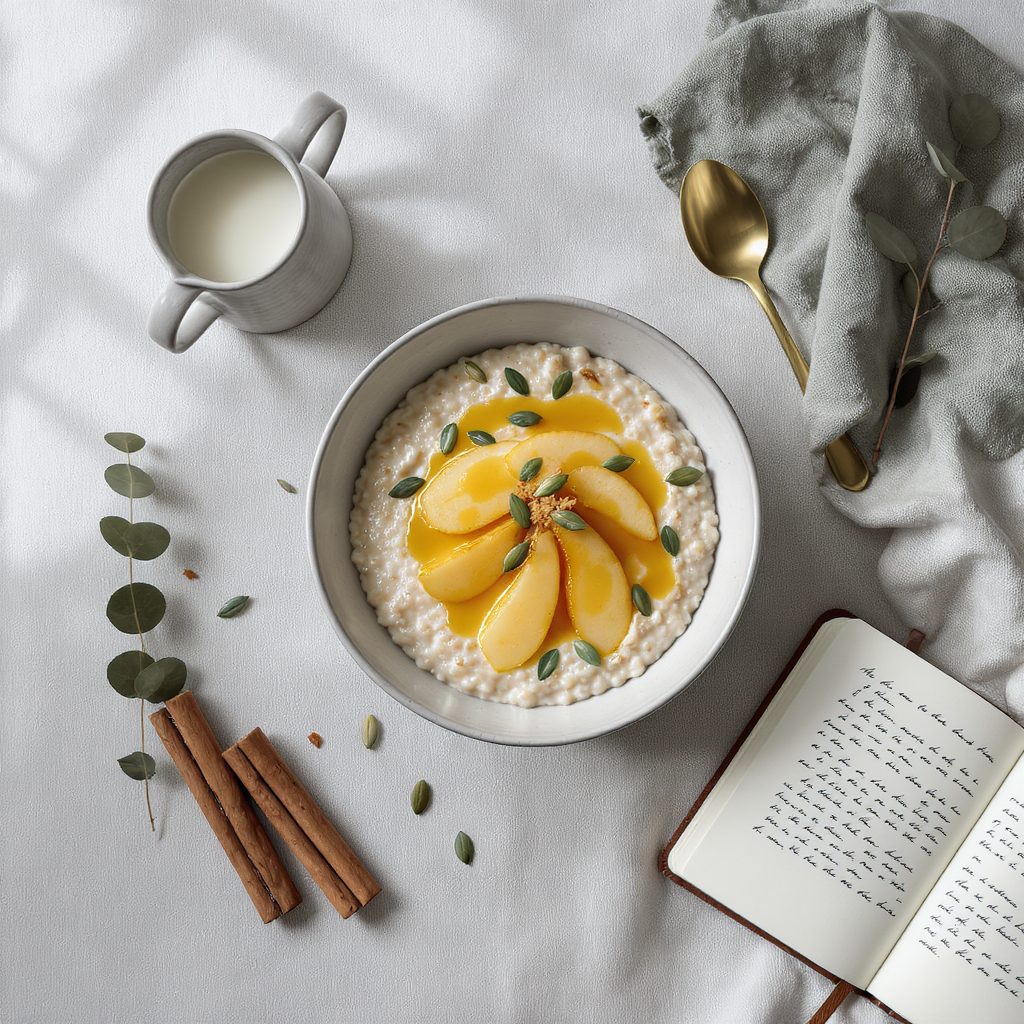
How to Build the Perfect Aesthetic Buddha Bowl for Meal Prep

You open your fridge on a Tuesday afternoon, starving, and everything looks… uninspiring. Leftover rice, half an avocado turning brown, some vegetables you bought with the best intentions. But what if that exact fridge situation could become the most beautiful, nourishing bowl you’ve ever eaten? That’s the magic of a well-built Buddha bowl — it turns ordinary ingredients into something that genuinely stops you mid-scroll.
The Anatomy of a Buddha Bowl That Actually Tastes as Good as It Looks
Here’s the thing most recipes get wrong: they focus on aesthetics OR flavor, rarely both. A truly perfect Buddha bowl needs five layers working together. Start with a grain base — quinoa, farro, or even cauliflower rice if you’re keeping it light. Next comes your roasted element: sweet potatoes tossed in smoked paprika and maple syrup, roasted at 400°F until the edges caramelize and get those crispy bits everyone fights over. Then add your fresh crunch — pickled red cabbage, shredded carrots, or thinly sliced radishes give that textural contrast your mouth craves. Your protein layer can be anything from crispy chickpeas to marinated tofu or a jammy soft-boiled egg. Finally, the dressing ties everything together. A turmeric-tahini sauce (just tahini, lemon juice, turmeric, garlic, and warm water whisked smooth) adds that golden, earthy richness that makes people ask “what IS that?”
Meal Prep Strategies That Keep Your Bowls Fresh All Week
The secret to meal prepping Buddha bowls without ending up with sad, soggy leftovers is compartmentalization. Cook your grains and roasted vegetables on Sunday, store them separately in glass containers, and keep all fresh elements — avocado, microgreens, pickled items — in their own spaces. Pickled cabbage actually gets better after a day or two, so make a big batch. Slice your avocado fresh each day (a squeeze of lime and storing the unused half cut-side down on a damp paper towel works wonders). Keep your dressing in a small jar and drizzle it on right before eating. This way, your Wednesday bowl tastes just as vibrant as your Monday one. Pro tip: roast two different vegetables each week to keep things interesting — one sweet (sweet potato, butternut squash) and one savory (broccoli, Brussels sprouts).
Making It Yours: The Seasonal Twist
The real beauty of Buddha bowls is that they’re a framework, not a rigid recipe. In spring, swap sweet potatoes for roasted asparagus and add fresh peas. Summer calls for raw corn, cherry tomatoes, and a cilantro-lime dressing. Fall? Go wild with roasted delicata squash and a miso-maple glaze. Winter loves hearty roasted beets with goat cheese crumbles. Pay attention to color — the most visually stunning bowls have at least four distinct colors. That contrast isn’t just pretty; it usually means you’re getting a wider range of nutrients too. Let your farmers’ market or seasonal produce aisle guide you, and your bowls will never feel repetitive.
If you want to create stunning food visuals like these for your own blog, social media, or meal planning boards, ruke.online has AI-powered tools that make it incredibly easy — no design skills or professional camera needed. Just ideas and appetite.