How to Create Stunning Cottagecore AI Art: Fantasy Worlds Anyone Can Build

Picture this: a moss-roofed cottage tucked into a hillside of wildflowers, golden light pouring through ancient oaks, and a quiet kind of magic humming through every blade of grass. You can almost smell the honeysuckle. Now imagine you made that entire scene yourself — no paintbrush, no years of training — just your imagination and an AI art tool. That’s exactly where we are right now, and it’s genuinely exciting.
Why Cottagecore Fantasy Art Hits Different
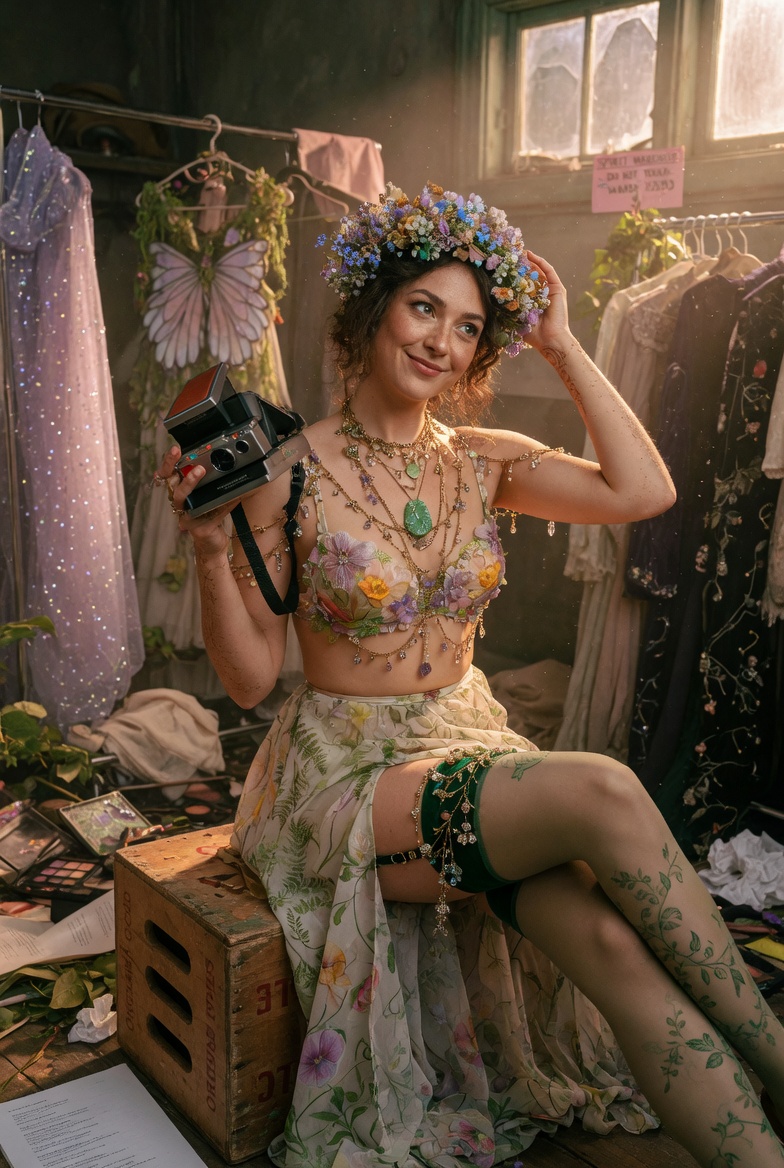
There’s a reason cottagecore fantasy art explodes on Pinterest and Instagram every spring. It taps into something deeply human — the longing for a slower, more magical life. When you blend that aesthetic with fantasy elements like elven characters, glowing herbs, and enchanted forests, you get visuals that people don’t just scroll past. They stop. They save. They share.
The key ingredients are warmth, detail, and atmosphere. Think golden hour lighting that makes everything look like it’s wrapped in honey. Think tiny lived-in details: dried herbs in a window, a sleeping cat, a cobblestone path worn smooth by centuries of footsteps. These aren’t just pretty — they tell a story. And storytelling is what makes AI art go from “cool image” to “I need to save this immediately.”
When you’re crafting your prompt, lean into sensory language. Don’t just say “cottage in a field.” Say “moss-covered stone cottage with a smoking chimney beside a glowing herb garden at golden hour.” The more specific you are, the more alive the result feels.
Prompt Techniques That Bring Fantasy Worlds to Life
Getting great results from AI art generators isn’t random — there are real techniques that consistently produce stunning output. Here are the ones that matter most for cottagecore fantasy:
Layer your lighting. Instead of just saying “sunlight,” specify “warm golden hour sunlight streaming through tree canopy with soft bokeh foreground.” Lighting does 80% of the emotional heavy lifting in any image.
Add living details. Butterflies, bees, a cat, birds on a fence — these small touches make a scene feel inhabited rather than empty. AI models respond beautifully to these additions because they break up static compositions.
Reference art styles. Phrases like “Studio Ghibli meets classical oil painting” or “painterly warmth” give the AI a tonal direction. You’re not copying — you’re guiding mood. Mixing two unexpected style references often produces the most original results.
Use depth cues. Mention foreground, midground, and background elements separately. “Soft bokeh wildflowers in foreground, character in midground, misty forest edge in background” creates cinematic depth that flat compositions can’t match.
Making It Your Own
The most beautiful thing about AI art right now is that your unique imagination is the differentiator. Two people can use similar tools and get wildly different results based on what they envision. So don’t just recreate what you’ve seen — push into your own version of the fantasy.
Maybe your cottagecore world has bioluminescent mushrooms instead of flowers. Maybe your character is an orc grandmother baking enchanted bread. Maybe the cottage floats on a cloud. The weirder and more personal your vision, the more it stands out — and the more people connect with it because it feels real in a way that generic prompts never do.
Start with a feeling you want the viewer to experience, then build the scene around that emotion. That’s the difference between decoration and art.
If you want to start creating visuals like these yourself, ruke.online has AI tools and inspiration that make it incredibly approachable — no design background needed. Your imagination is genuinely the only requirement.