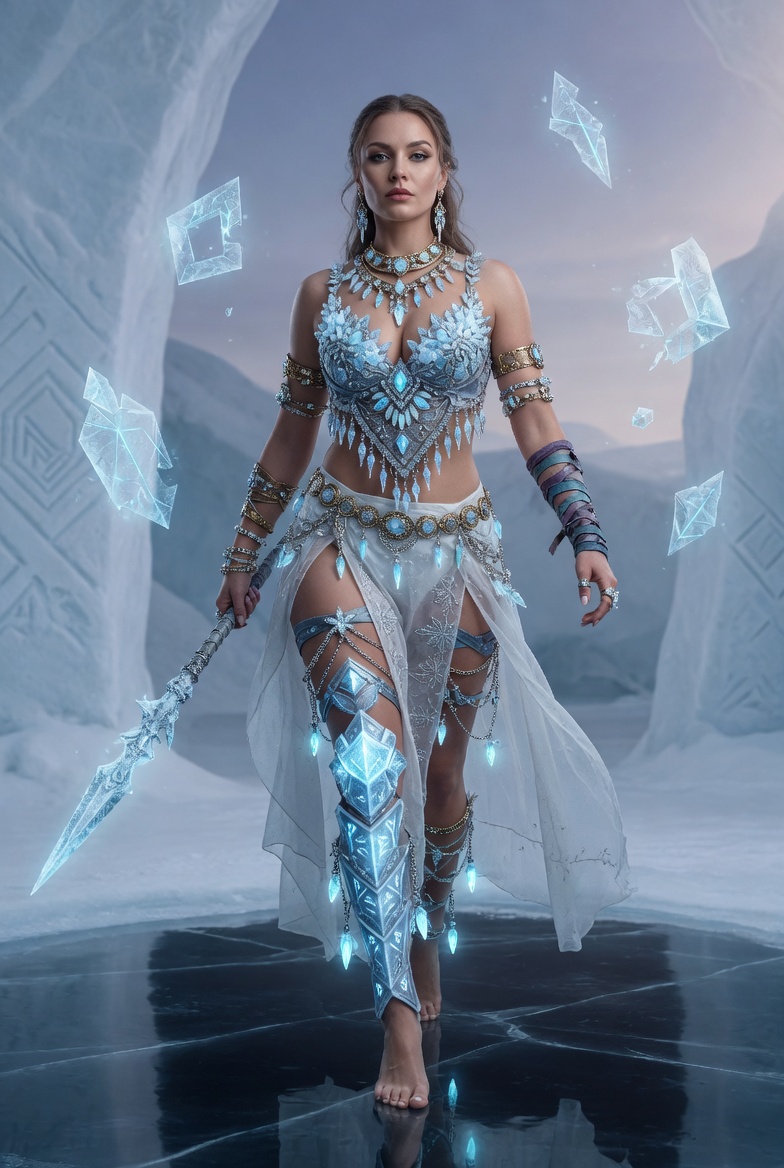
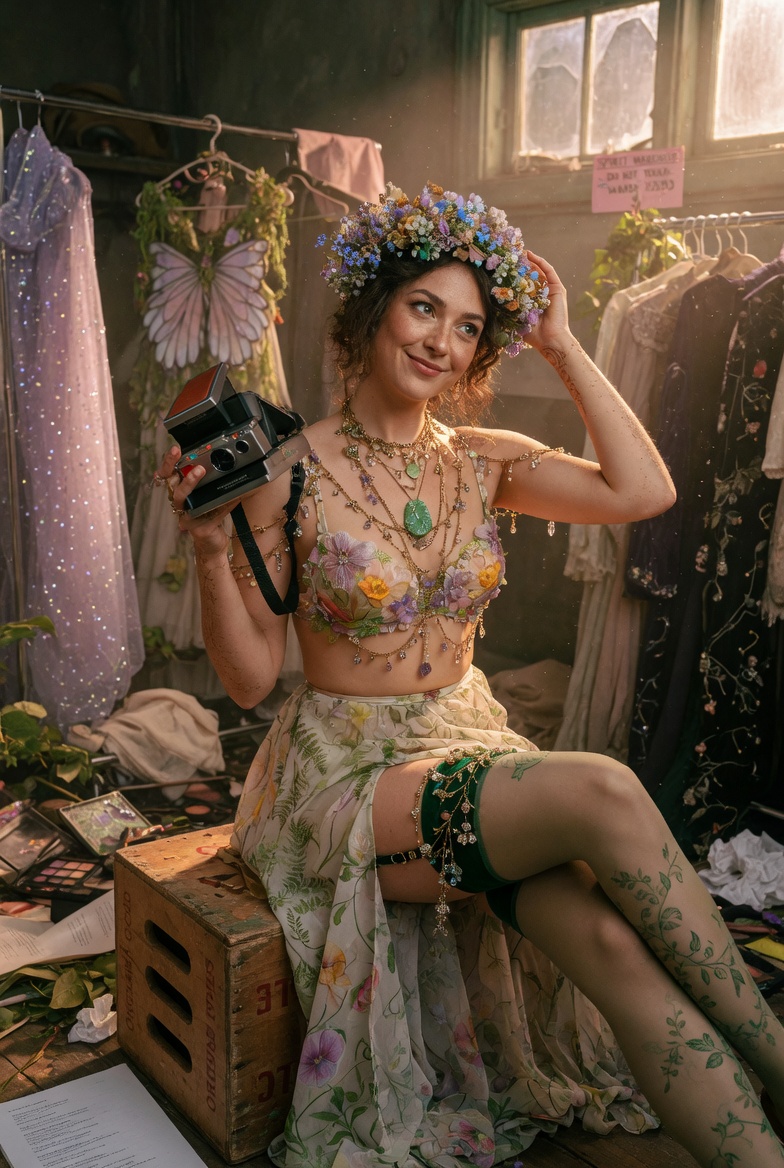
How AI Art Captures Fantasy Close-Ups With Breathtaking Detail

You know that feeling when a detail so small — a raindrop on a petal, the texture of an old book’s spine — suddenly makes you feel something enormous? That’s exactly what happens when AI-generated fantasy art zooms in. Not on the grand scene, not on the sweeping landscape, but on a single fairy’s cheek, where iridescent scales catch the light and tiny crystal flowers bloom from the temple like living jewelry. It’s intimate, it’s quiet, and it hits you right in the chest.
Why Close-Up AI Fantasy Art Feels So Emotionally Powerful
Most fantasy art pulls you in with scale — massive dragons, towering citadels, endless enchanted forests. And that’s beautiful. But there’s a different kind of magic in the macro view. When you render a fantasy character’s face at extreme close range, every hyperdetailed element becomes a story. The dewdrops on silver eyelashes suggest a morning spent sleeping in a meadow. The translucent dragonfly wing veins blurred in the background whisper about flight and fragility. The iridescent scales across the cheekbone tell you this creature isn’t human, but the warmth in the skin texture tells you she’s alive.
AI art tools have become remarkably good at this kind of intimate rendering. By specifying shallow depth of field, macro lens effects, and detailed skin textures in your prompts, you can coax out images that feel less like illustrations and more like photographs of beings that almost exist. The pastel dreamcore palette — soft lavenders, rose golds, baby blues — adds a layer of nostalgia that makes viewers pause, save, and come back to look again.
Crafting the Perfect Close-Up Fantasy Prompt
The secret to a stunning AI art close-up isn’t just saying “zoom in.” You need to give the model specific textural anchors. Think about what materials and surfaces you want to see in extreme detail: iridescent fish scales, crystalline growths, bioluminescent freckles, pollen dust on the lips, frost forming along the jawline. Each of these micro-details gives the AI something concrete to render, and the results are often staggeringly beautiful.
Lighting is your other best friend here. Cinematic backlighting — especially warm golden-hour light filtering through translucent elements like wings or hair — creates that dreamy, almost sacred atmosphere. Prismatic refractions, lens flare, and soft bokeh in the background all reinforce the feeling that you’re witnessing something rare and fleeting. Pair this with a pastel color story, and you get images that feel like they’re glowing from within.
One tip that makes a huge difference: specify what you don’t want. No text, no watermarks, no busy backgrounds. Close-up fantasy art lives and dies by its simplicity. The subject is everything. Let the tiny details do the heavy lifting.
Making It Your Own: Finding Your Fantasy Aesthetic
The beauty of AI-generated concept art is that your aesthetic is entirely yours to define. Maybe your version of a fantasy close-up isn’t a fairy — maybe it’s a weathered elven warrior’s eye reflecting a burning city, or a mermaid’s lips parted to reveal bioluminescent teeth, or a forest spirit’s bark-textured skin with moss growing in the laugh lines. The emotional core stays the same: intimacy, texture, and a sense of stumbling upon something magical.
Start with an emotion you want to feel — nostalgia, wonder, gentle melancholy — and build your prompt around surfaces and light that evoke it. You’ll be surprised how quickly you develop a signature style that feels unmistakably yours.
If you want to explore creating visuals like these yourself, ruke.online has AI art tools, prompt guides, and curated inspiration galleries that make the whole process feel intuitive and genuinely fun — no design degree required.