Coral Reef Restoration: 5 Ways to Save Dying Reefs
Beneath the surface of the world’s oceans lies one of the most vibrant — and most threatened — ecosystems on Earth. Coral reefs shelter roughly a quarter of all marine life, yet rising sea temperatures and coral bleaching have pushed many reefs to the brink. The good news? Scientists, divers, and everyday ocean lovers are fighting back with a growing toolkit of restoration techniques. This is your practical, visual guide to how coral reef restoration actually works — and 5 real ways you can help save dying reefs right now.
Why Coral Reefs Are Worth Saving
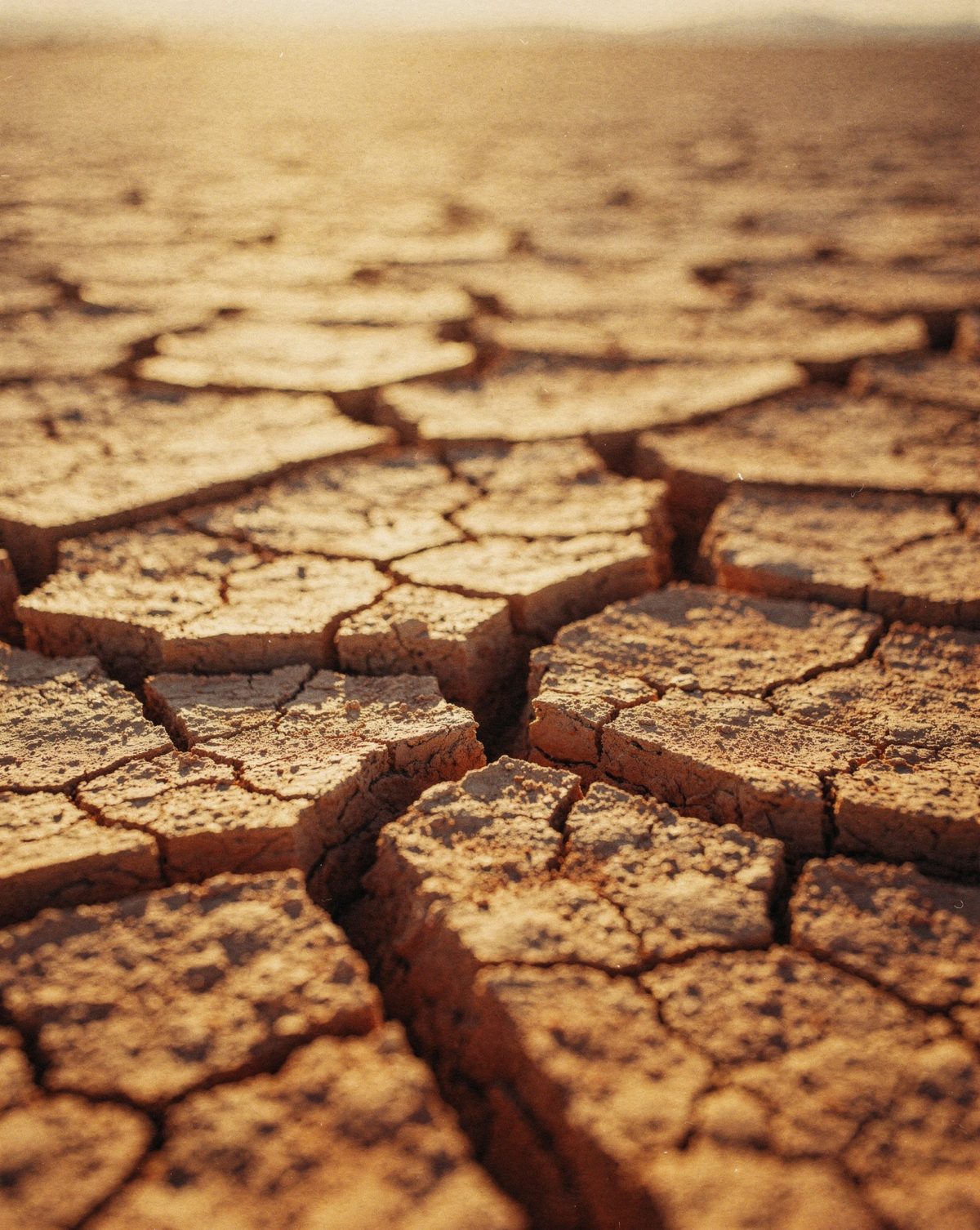
Coral reefs are far more than beautiful underwater landscapes. They protect coastlines from storms and erosion, support fisheries that feed millions of people, and sustain an astonishing diversity of marine life. But warming waters cause coral bleaching — a stress response where corals expel the colorful algae living inside their tissues, turning ghostly white and often dying if conditions don’t improve.
That’s why ocean conservation efforts have shifted from simply protecting reefs to actively rebuilding them. Below are five of the most important methods reshaping the future of the underwater world.
Method #1: Coral Nurseries
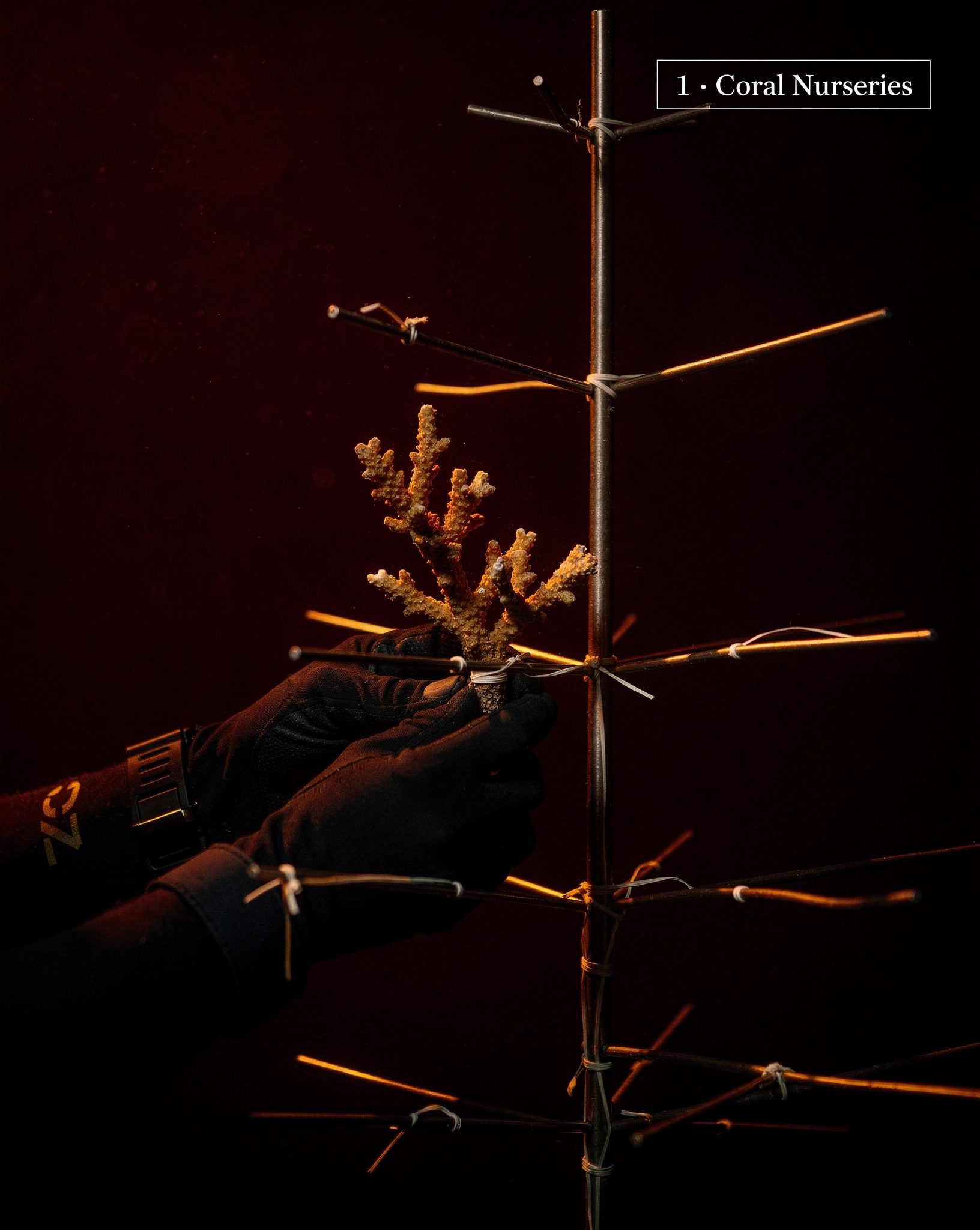
The first step in most restoration projects is the coral nursery. Small fragments of healthy coral are attached to underwater structures — often shaped like trees or frames — where they can grow in a protected environment. Suspended in the water column, these fragments receive good water flow and sunlight, allowing them to develop faster than they might on a damaged reef.
Why nurseries matter
Growing coral in a controlled setting gives fragile fragments a head start. Once they’ve grown strong enough, they become the building blocks for rebuilding entire reef systems. Think of it as a garden beneath the waves — but growing the corals is only half the battle.
Method #2: Large-Scale Replanting
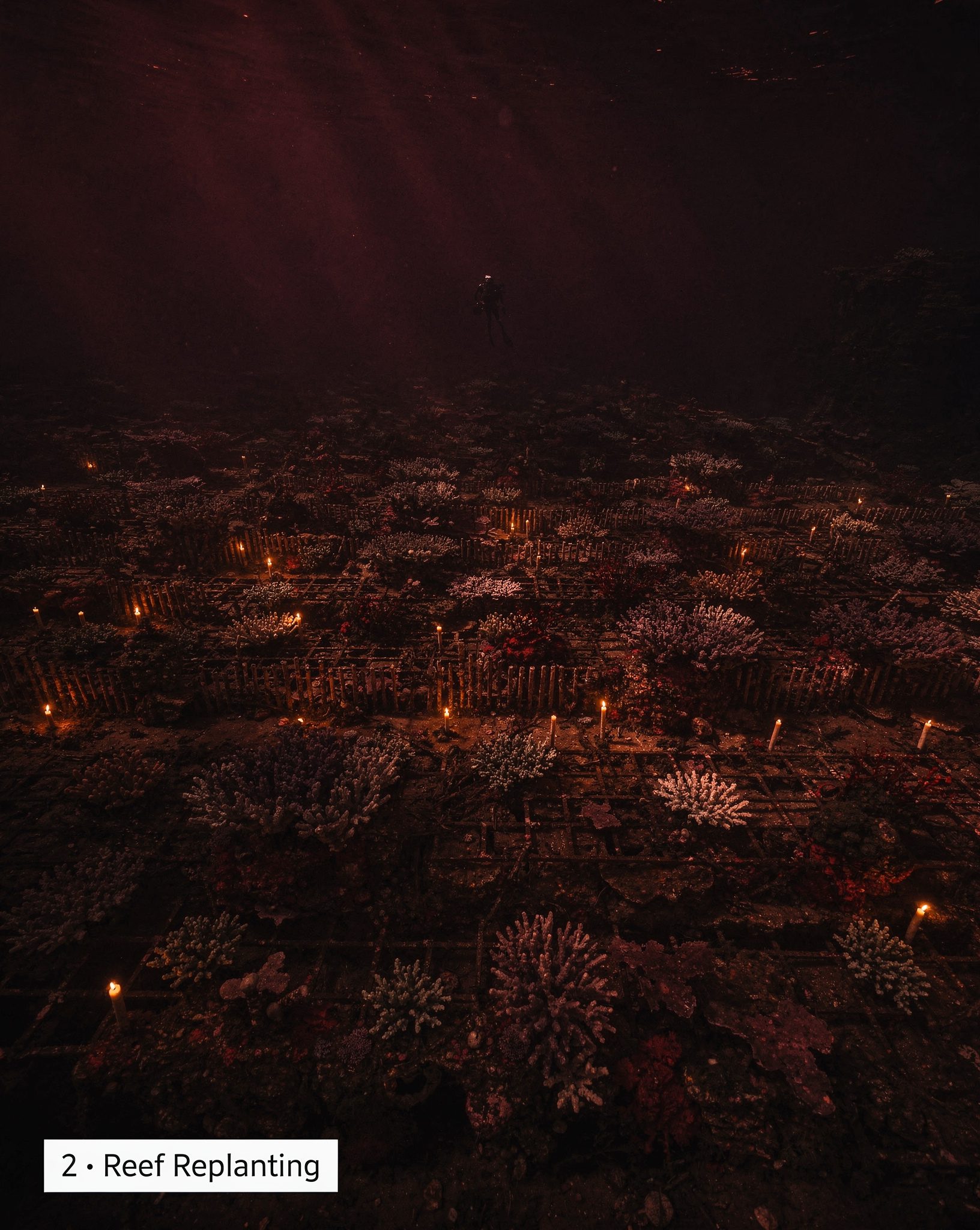
Once nursery corals are mature, the next phase is transplanting them back onto degraded reefs. Divers carefully cement or attach healthy colonies onto the reef structure, gradually restoring habitat colony by colony. Done at scale, this can help revive ecosystems that had been reduced to rubble.
The true scale of the mission
When you see a single diver working against a vast expanse of reef, the scale becomes clear. Replanting is painstaking, hands-on work — but it directly rebuilds the physical structure that fish, invertebrates, and countless other species depend on. This is where the goal to save coral reefs becomes tangible.
Method #3: Breeding Heat-Resistant ‘Super Corals’
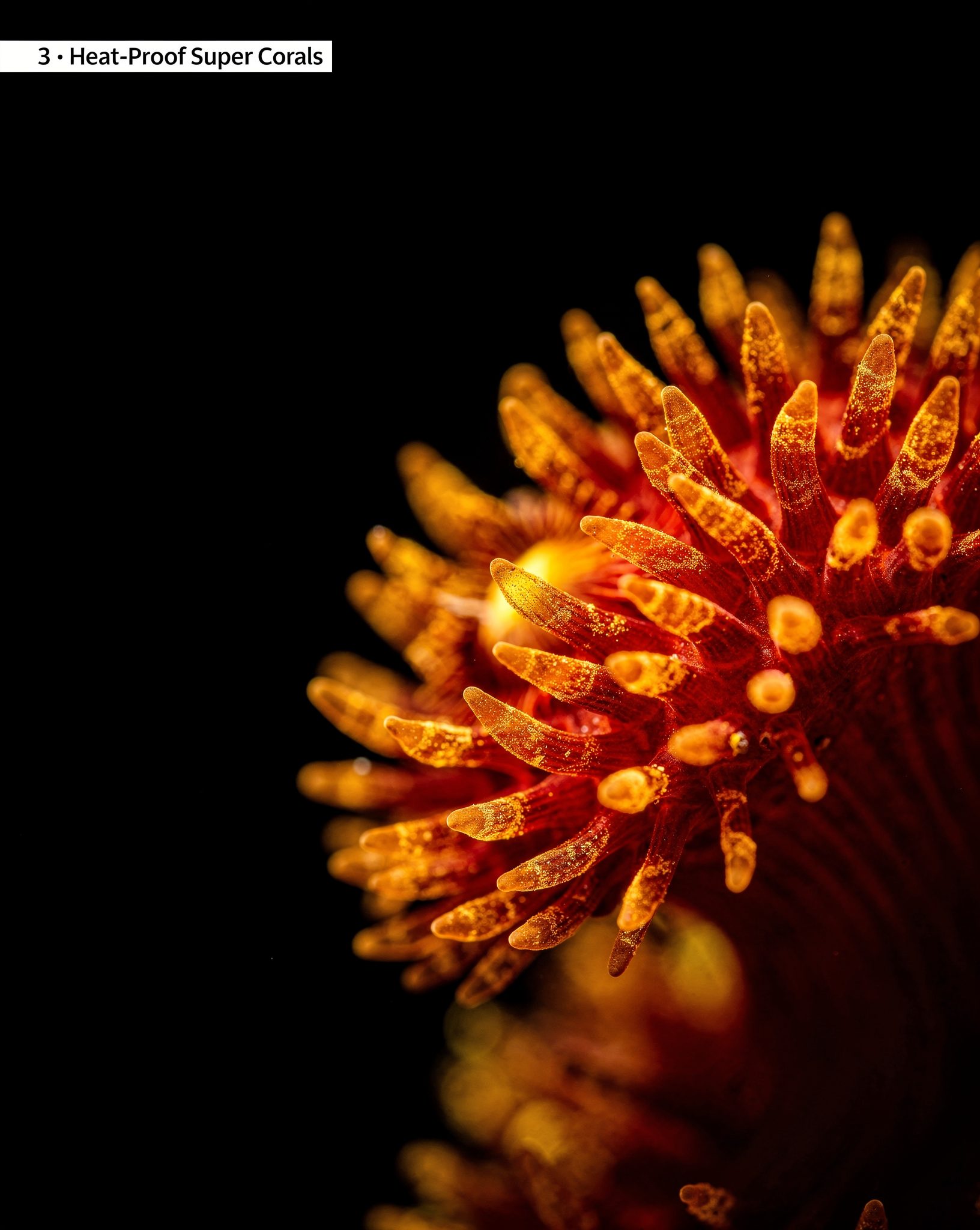
Perhaps the most forward-looking technique is cultivating coral strains that can better tolerate warmer water. As marine heatwaves grow more frequent, researchers are working to identify and grow corals more likely to survive rising temperatures.
The secret inside the coral
The tiny algae living inside coral tissue — the same ones expelled during coral bleaching — play a crucial role in whether a coral lives or dies during a heatwave. By focusing on more resilient corals, scientists hope to give reefs a fighting chance against a changing climate. It’s a race against time, and it’s driving some of the most exciting research in marine life science today.
Methods #4 & #5: Larval Reseeding and Adopt-a-Coral
Method #4: Larval reseeding
Corals reproduce by releasing eggs and sperm into the water. In larval reseeding, scientists collect and nurture coral larvae, then release or settle them onto reefs that need help recovering. This approach works with the coral’s natural reproductive cycle to boost the number of new colonies establishing themselves on damaged reefs.
Method #5: Adopt-a-coral programs
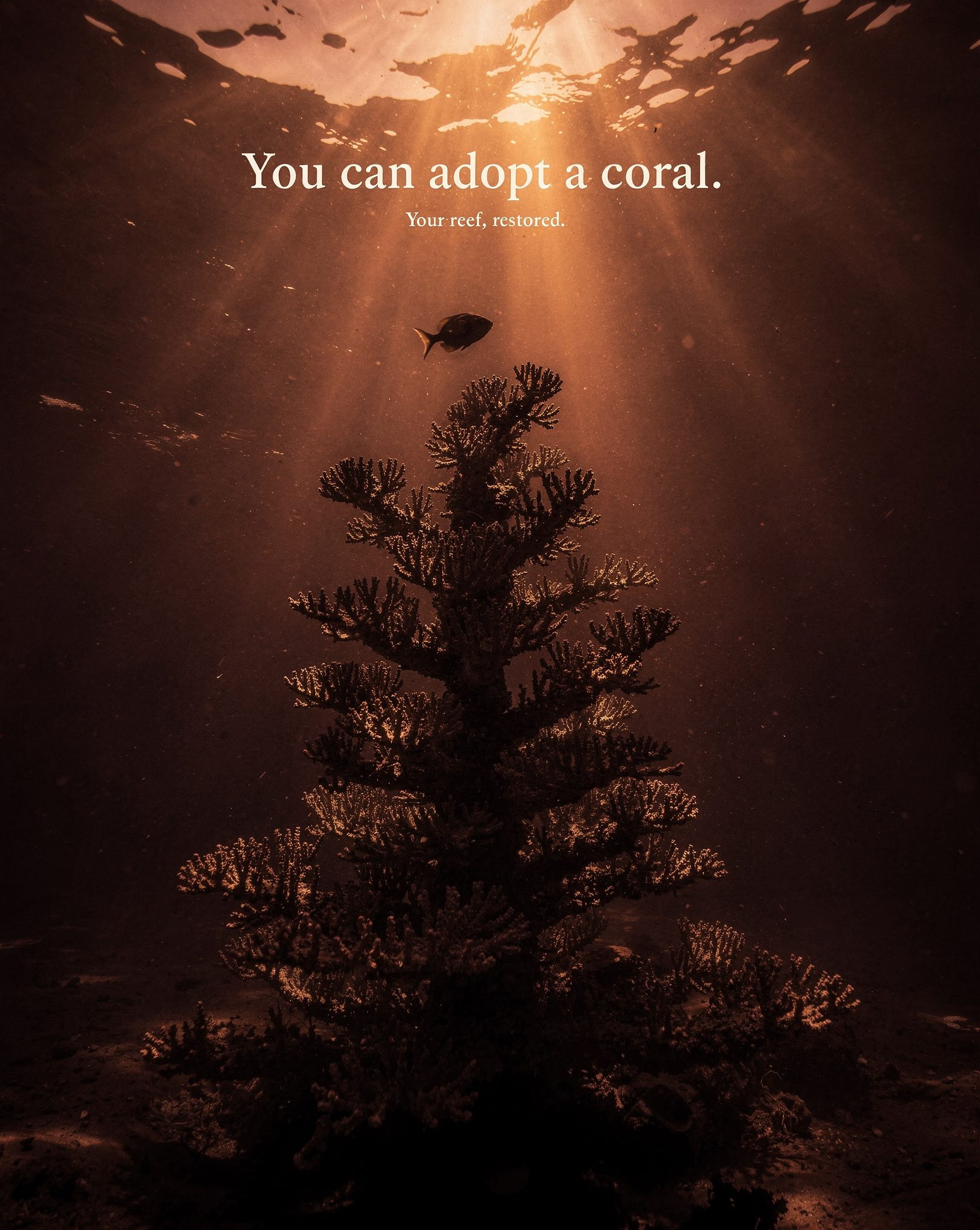
Here’s where you come in. Many conservation organizations run adopt a coral programs that let individuals fund the growth and planting of a real coral fragment. From your screen to the seafloor, these programs make ocean conservation accessible to anyone — no diving certification required.
How You Can Help Save Dying Reefs Today
Restoring reefs isn’t only the work of scientists and divers. Here’s a quick, actionable checklist for ocean lovers who want to make a difference:
- Adopt a coral: Support a restoration organization through an adopt-a-coral program and directly fund reef fragments.
- Reduce your carbon footprint: Because warming water drives bleaching, cutting emissions helps protect reefs at the source.
- Choose reef-safe products: Be mindful of sunscreens and other products that can harm marine ecosystems.
- Dive and snorkel responsibly: Never touch or stand on coral, and follow guidelines that minimize damage.
- Spread awareness: Share what you learn. Every reef needs guardians, and education multiplies impact.
The Bottom Line
Coral reefs are in trouble, but they are not beyond saving. Through coral nurseries, large-scale replanting, heat-resistant breeding, larval reseeding, and adopt-a-coral programs, restoration efforts are proving that dying reefs can be brought back to life. The techniques are real, the work is happening now, and — most importantly — there’s a role for you to play.
Save this guide, choose one action from the checklist, and become a guardian of the underwater world. Every fragment counts.