5 Real Spy Gadgets History Hid: Cold War Espionage Secrets
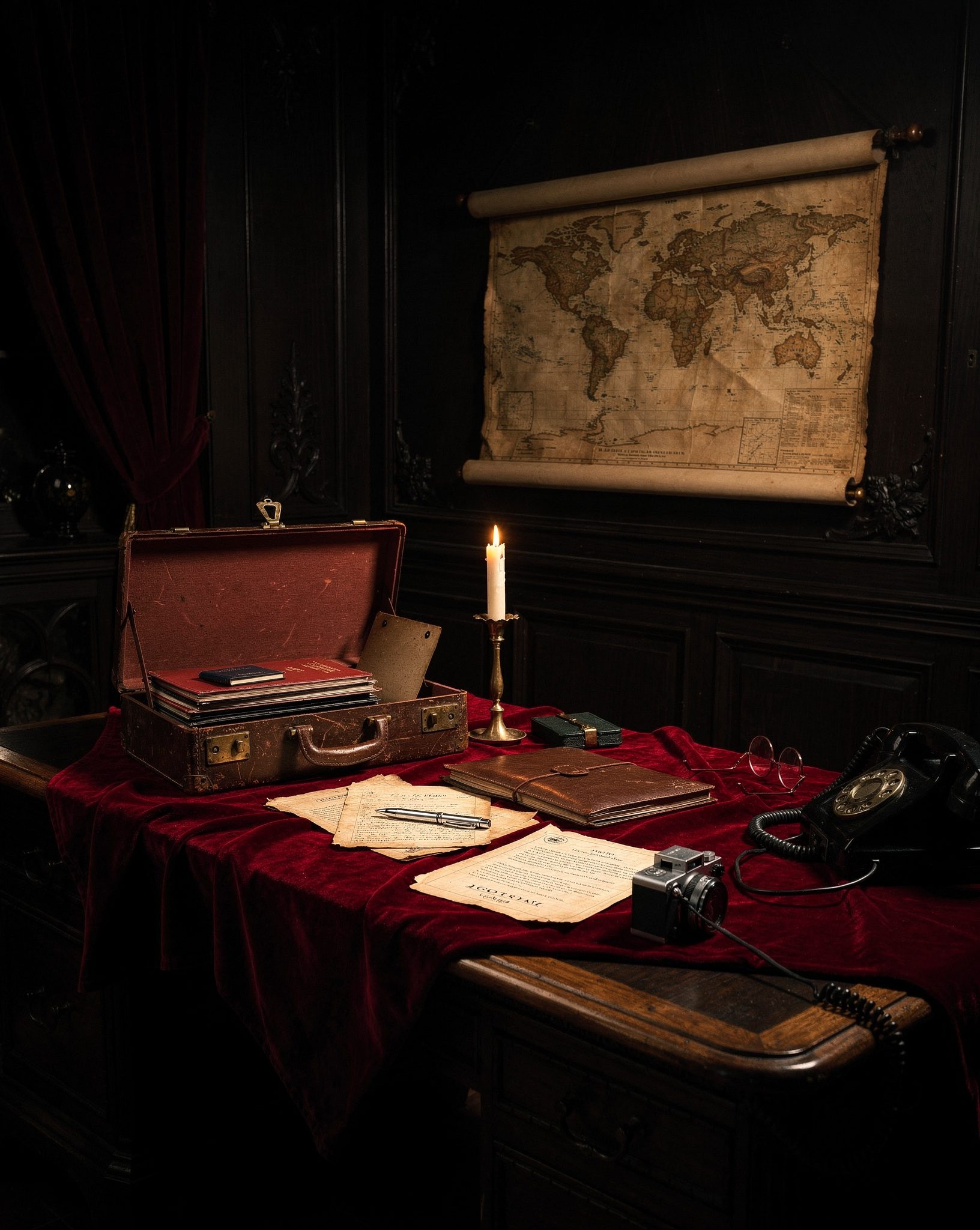
Some of history’s most powerful weapons were never meant to be seen. They lived in plain sight — pressed into a coin, tucked into a purse, folded into a deck of playing cards. During the tense decades of the Cold War, espionage became an art form, and the tools of the trade were engineered with an obsession bordering on the poetic. These were not the flashy inventions of spy films; they were quiet, deadly, and terrifyingly ordinary.
In this dark-romantic journey through spy craft history, we uncover five real espionage gadgets that shaped nations — objects so cleverly disguised that most people walked past them without a second glance. Prepare to see the ordinary world a little differently.
The Secret War Fought in Everyday Objects
The genius of Cold War espionage was never about brute force. It was about invisibility. Agents on both sides of the Iron Curtain understood that the most effective weapon was the one no one suspected. A lipstick. A coin. A hairbrush. Each item carried a second life, a hidden purpose that could turn the tide of intelligence — or end a life in a single instant.
What follows are five of the most ingenious real spy tools ever devised. They are not legends or Hollywood fantasy. They existed, they were used, and their stories reveal just how far governments were willing to go in the invisible war.
1. The KGB Lipstick Pistol — The “Kiss of Death”
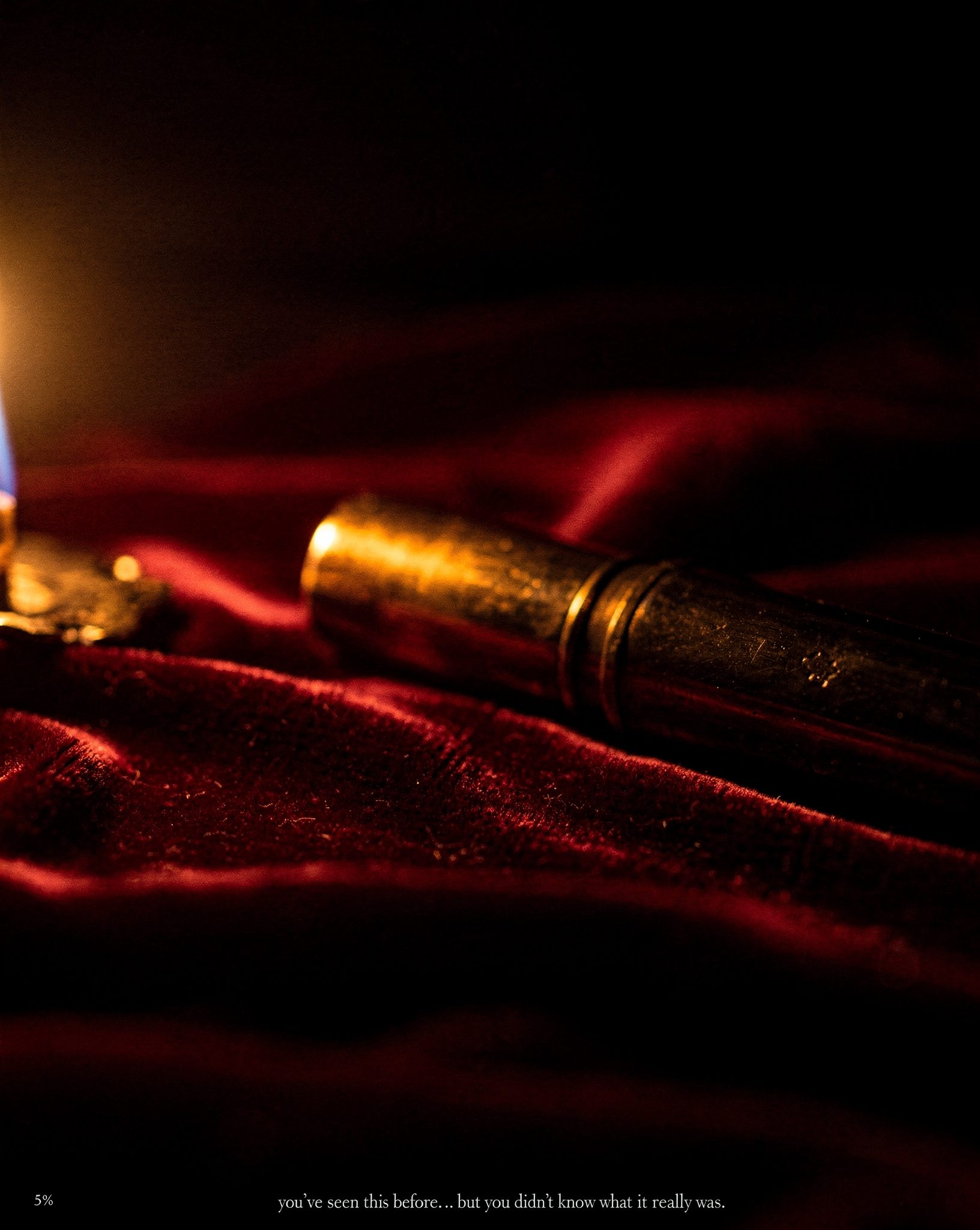
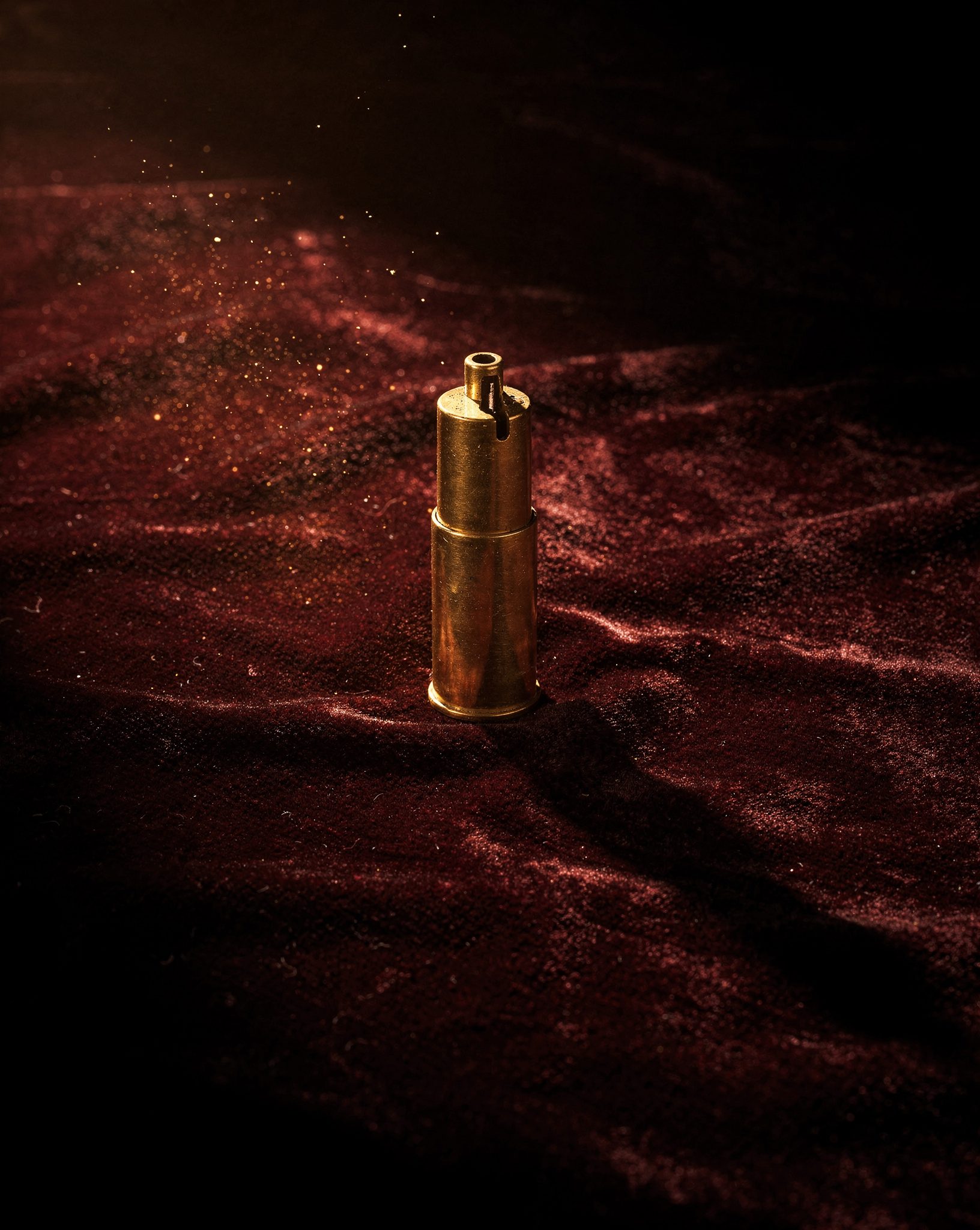
Among the most chilling artifacts of the era is the KGB lipstick pistol, an object so intimate it defies belief. Discovered by Western intelligence during the 1960s, this single-shot 4.5mm weapon was concealed inside an ordinary lipstick tube — a device that became known as the “Kiss of Death.”
Female agents could carry it openly, resting inside a handbag beside a compact and a comb. To anyone watching, it was cosmetics. In reality, it was a lethal firearm capable of delivering a fatal shot at close range. The lipstick pistol embodies everything that made Soviet spy gadgets so unnerving: it weaponized the everyday, hiding death inside beauty. And it was only the beginning of espionage’s hidden arsenal.
Why Disguise Mattered So Much
In a world of constant surveillance, being searched was an ever-present danger. A weapon that looked like a weapon was a liability. But a weapon that looked like makeup could cross borders, enter meetings, and stand within arm’s reach of a target — all without raising a single suspicion. This philosophy shaped nearly every tool in the espionage playbook.
2. The Hollow Coin — Microfilm Hidden in Pocket Change
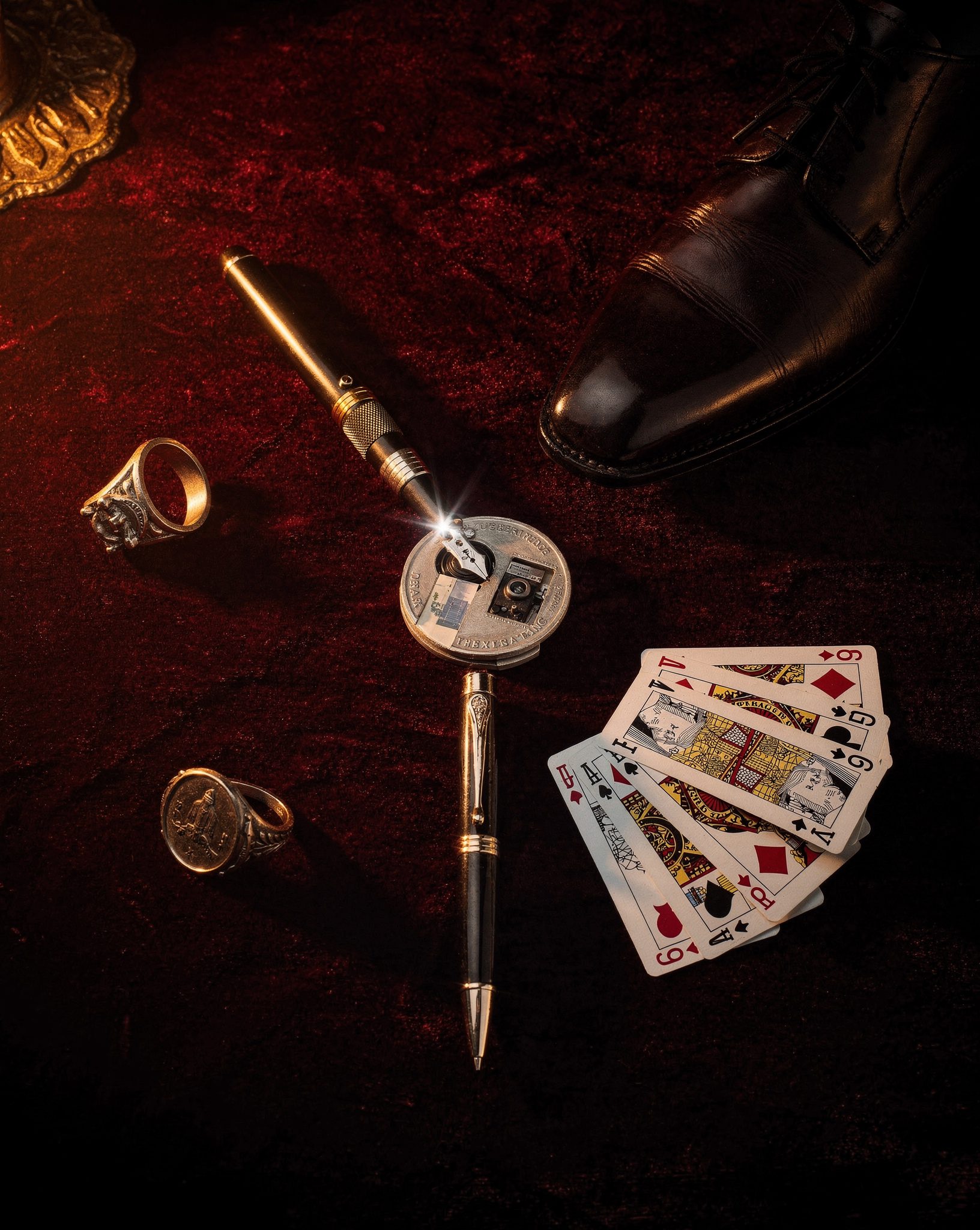
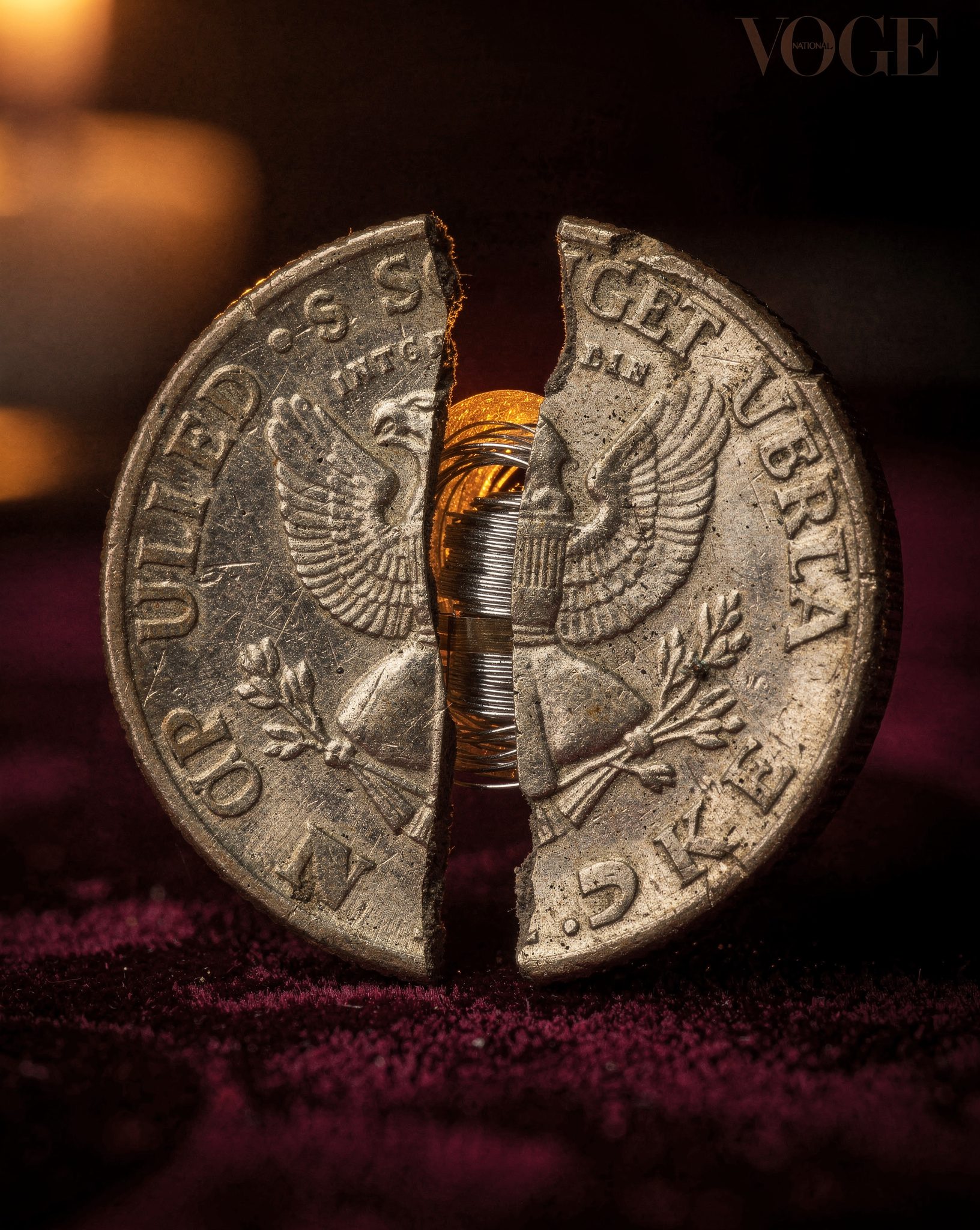
Perhaps the most poetic of all real spy tools was the hollow coin. Machined with astonishing precision, these coins — including hollowed-out nickels and silver dollars — were split into two halves that screwed or snapped together, concealing a tiny compartment inside.
Within that hidden space, agents could hide a roll of microfilm so small it fit inside a nickel. A single coin could carry pages of documents, codes, or photographs, and then be spent as ordinary currency, passed anonymously from hand to hand. It was the perfect dead drop — untraceable, disposable, and hiding in the last place anyone would look: their own pocket.
The Nickel That Changed Everything
The story of the hollow nickel microfilm is one of the great cautionary tales of espionage secrets. In 1953, a newspaper boy in New York accidentally dropped a nickel that felt strangely light — and it split open, revealing a piece of microfilm inside. That single accident set off an investigation that eventually helped expose a Soviet spy operating on American soil.
It is one of the most striking history facts of the Cold War: an entire intelligence network unraveled because of a coin dropped by a child. History, it turns out, often turns on the smallest of details — objects so tiny they could be spent by accident.
3. Escape Maps Printed on Playing Cards
Not every espionage tool was designed to kill. Some were built to save lives. During wartime, prisoners of war faced impossible odds when attempting to escape enemy territory. They needed maps — but a map was contraband, and being caught with one meant severe punishment.
The solution was breathtakingly clever: escape maps were printed and hidden inside playing cards. A seemingly innocent deck, sent to POW camps, could be soaked in water to peel apart. Layer by layer, the cards revealed sections of a map that, when assembled, guided prisoners toward freedom and neutral borders.
Hidden in Plain Entertainment
Guards saw nothing but a way for prisoners to pass the long hours. The cards were entertainment, harmless and expected. Yet each one was a fragment of a lifeline. This is the essence of great spy craft history — turning the most mundane objects into instruments of survival and rebellion.
4. Concealment Devices — The Art of the Second Life
Beyond coins and cards, intelligence agencies developed an entire discipline around concealment. Everyday items were hollowed, modified, and rebuilt to hide their true function. Pens contained cameras. Books held cavities for documents. Shaving brushes and cufflinks concealed miniature compartments for film and messages.
The principle was always the same: every object should have a second life. A tool that looked exactly like its ordinary counterpart could pass any inspection, because no one questions a hairbrush or a fountain pen. The most sophisticated spy gadgets weren’t the ones that looked advanced — they were the ones that looked utterly forgettable.
5. Miniature Cameras and the Power of the Unseen Image
Information was the true currency of the Cold War, and capturing it discreetly was everything. Miniature cameras — small enough to fit in a palm or disguise inside another object — allowed agents to photograph classified documents in seconds and slip away undetected.
These devices required extraordinary craftsmanship, packing precision optics into impossibly small frames. A single roll of film could carry an intelligence windfall, later hidden inside a hollow coin or passed through a dead drop. Combined with the concealment tools already in use, miniature cameras completed the espionage toolkit: capture the secret, hide the secret, deliver the secret — all without ever being seen.
The Invisible War That Shaped History
Every object we’ve explored played a role in an unseen conflict that helped decide the fate of nations. Hidden in coins, lipsticks, cameras, and playing cards, these tools reveal a fundamental truth about Cold War espionage: the most powerful weapons in history were often the ones no one could see.
These were not the fantasies of screenwriters. They were real, meticulously engineered, and used in the shadows by people whose stories we may never fully know. The next time you watch an old spy film and roll your eyes at some ridiculous gadget, remember — the truth was often stranger, darker, and far more ingenious than fiction ever dared to be.
These espionage secrets remind us that history hides in plain sight, waiting in the details we overlook. A dropped nickel. A tube of lipstick. A worn deck of cards. Each one a silent witness to a war fought in whispers.
Share This Story
If you’ll never look at an old spy film — or a loose coin in your pocket — the same way again, save this article and share it with a fellow history lover. The world is full of hidden stories, and the best ones are always the ones no one thought to notice.
Related Articles
- Lost Codes and Secret Languages: How Spies Communicated in Silence
- Hidden History: Ordinary Objects That Changed the World
- The Dark Elegance of Vintage Espionage Craftsmanship