How to Capture the Fine Art Nude Aesthetic: 7 Lessons from Helmut Newton’s Timeless Style



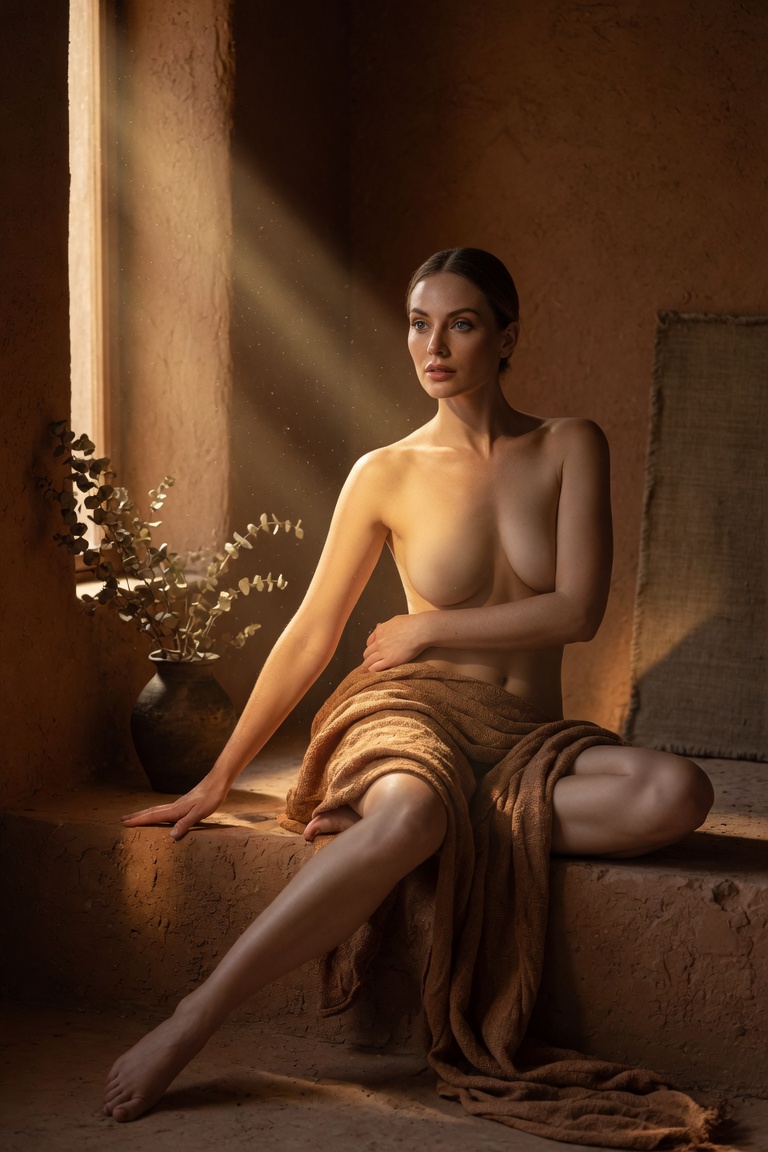


You’ve seen those photographs that make you stop everything — not because they’re shocking, but because they feel like they’ve existed forever. A figure against a textured wall, warm light carving out every contour, the whole image humming with a quiet, ancient confidence. That’s the fine art nude tradition at its best, and it’s far more accessible than most people think.
The Power of Environment: Why Setting Matters More Than You Think
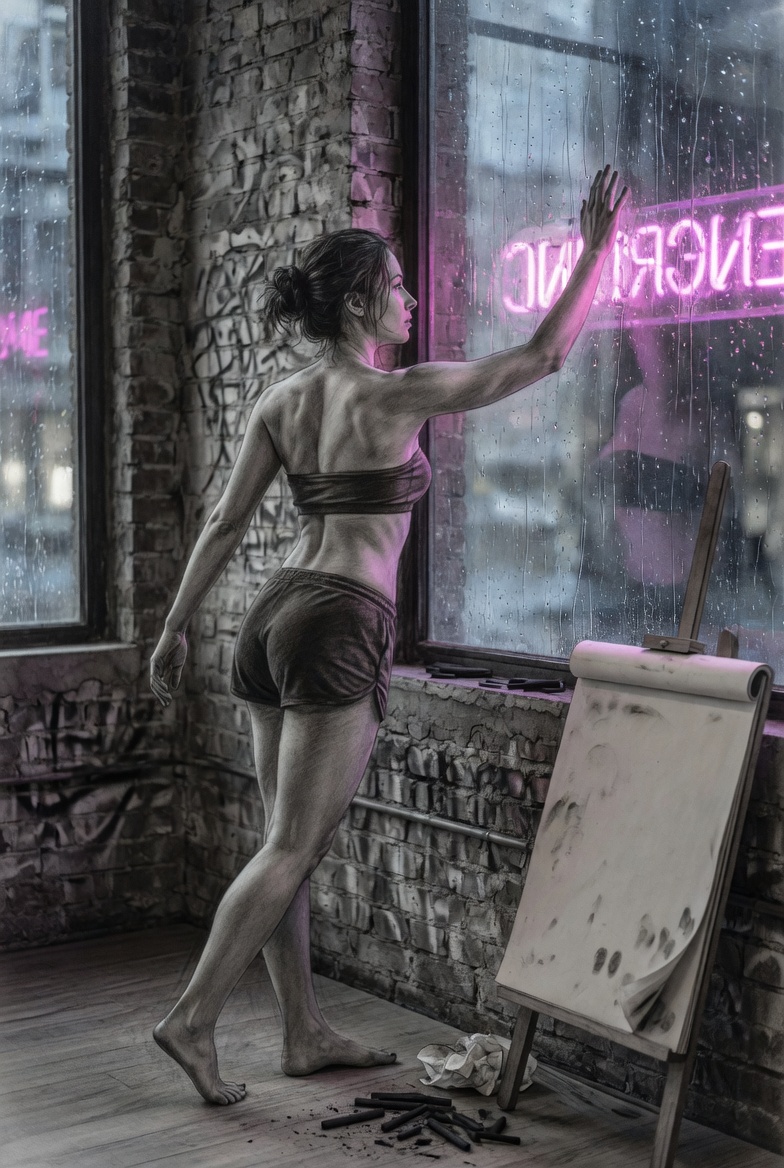
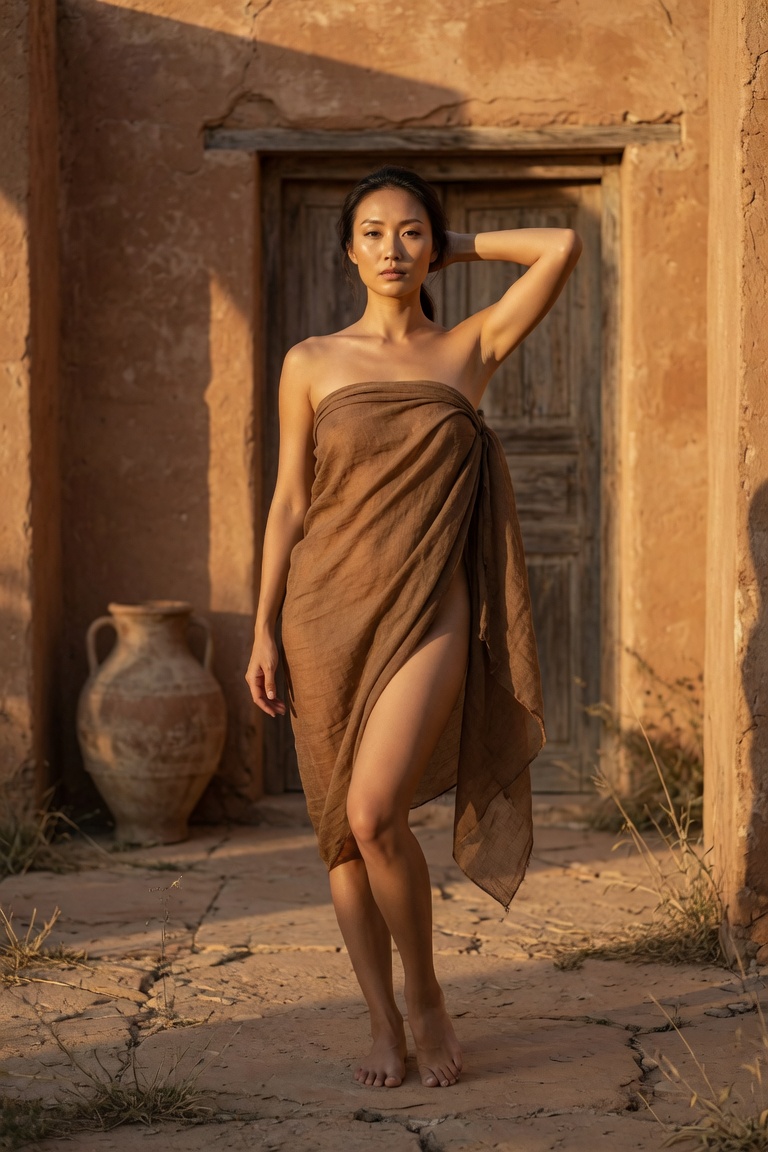
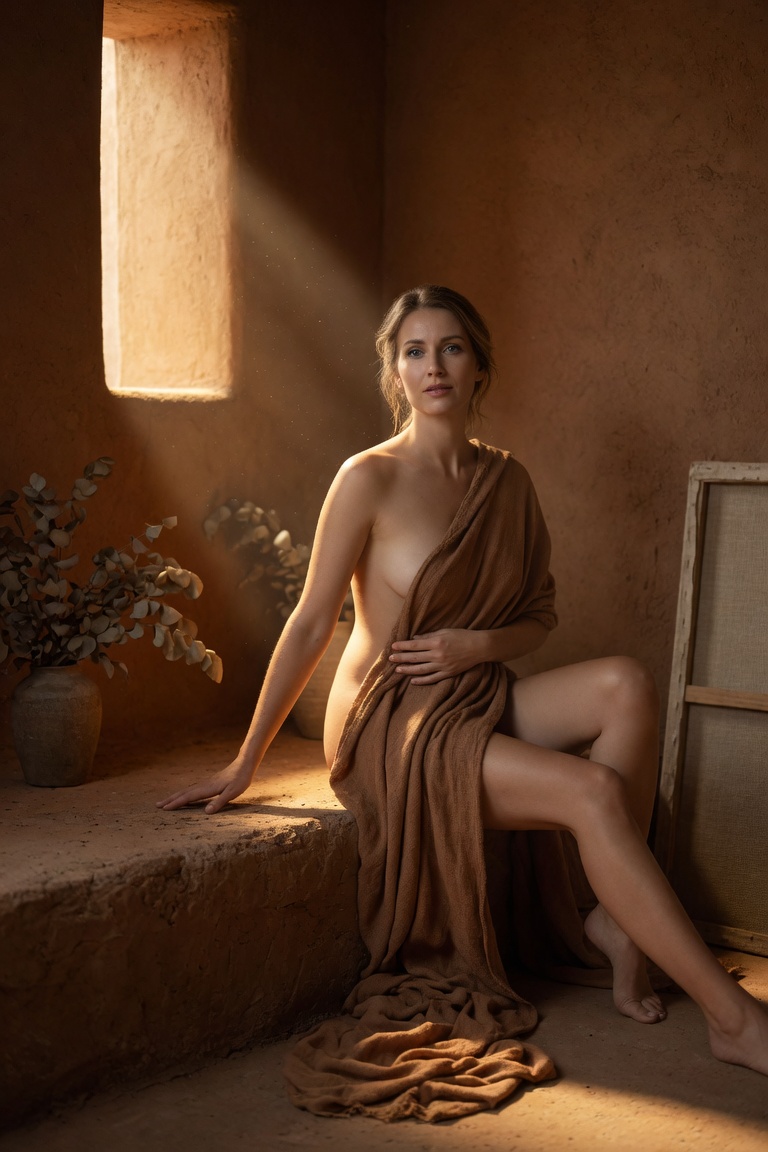
When Helmut Newton created his most iconic editorial nudes, the background was never an afterthought. It was half the story. A marble staircase, a penthouse window, a stark white wall — each setting shaped the emotional tone of the image entirely. The same principle applies whether you’re working with a camera or generating art with AI tools. Warm, textured environments like terracotta courtyards, adobe interiors, or sun-baked stone walls create an immediate sense of history and gravity. They give the human form something to dialogue with. The rough grain of a clay wall against smooth skin, the golden warmth of aged stucco catching late afternoon light — these contrasts are what elevate a nude from simple to sculptural. When choosing your setting, think about what story the walls themselves are telling.
Lighting as Language: Golden Hour and the Terracotta Palette
The single biggest difference between an amateur figure study and a gallery-quality fine art nude is lighting. Newton understood this instinctively — his signature hard flash created drama and authority. But there’s another school of thought equally powerful: the warm, directional light of golden hour filtering through a window or doorway. This kind of lighting wraps around the body, creating soft gradients of highlight and shadow that feel almost painterly. A color temperature around 3200–3500K gives skin an earthy warmth that pairs beautifully with terracotta and sienna tones in the environment. The key is directionality — light coming from one strong source, whether a window or a carefully placed strobe, creates the depth and dimension that makes a figure feel three-dimensional on a flat surface. Don’t flood the scene. Let shadow do half the work.
Making It Your Own: From Inspiration to Personal Vision
The beauty of fine art nude photography — whether traditional or AI-generated — is that it’s deeply personal. You don’t need to recreate Newton’s penthouse aesthetic to capture that same sense of power and elegance. Start with a mood. Maybe it’s the warmth of a Mediterranean afternoon, or the quiet intimacy of a figure reading by a window. Choose one dominant emotion and build everything around it: the palette, the pose, the light direction. Keep compositions simple. One subject, one strong light source, one compelling texture in the background. The most powerful fine art nudes aren’t the most elaborate — they’re the most intentional.
If you want to explore creating visuals like these yourself, ruke.online has AI-powered tools that make it remarkably intuitive — you can experiment with lighting, composition, and mood without needing a studio or years of photography experience. It’s the fastest way to go from inspiration to gallery-worthy art.