How to Capture Stunning Natural Light Portrait Photography This Autumn
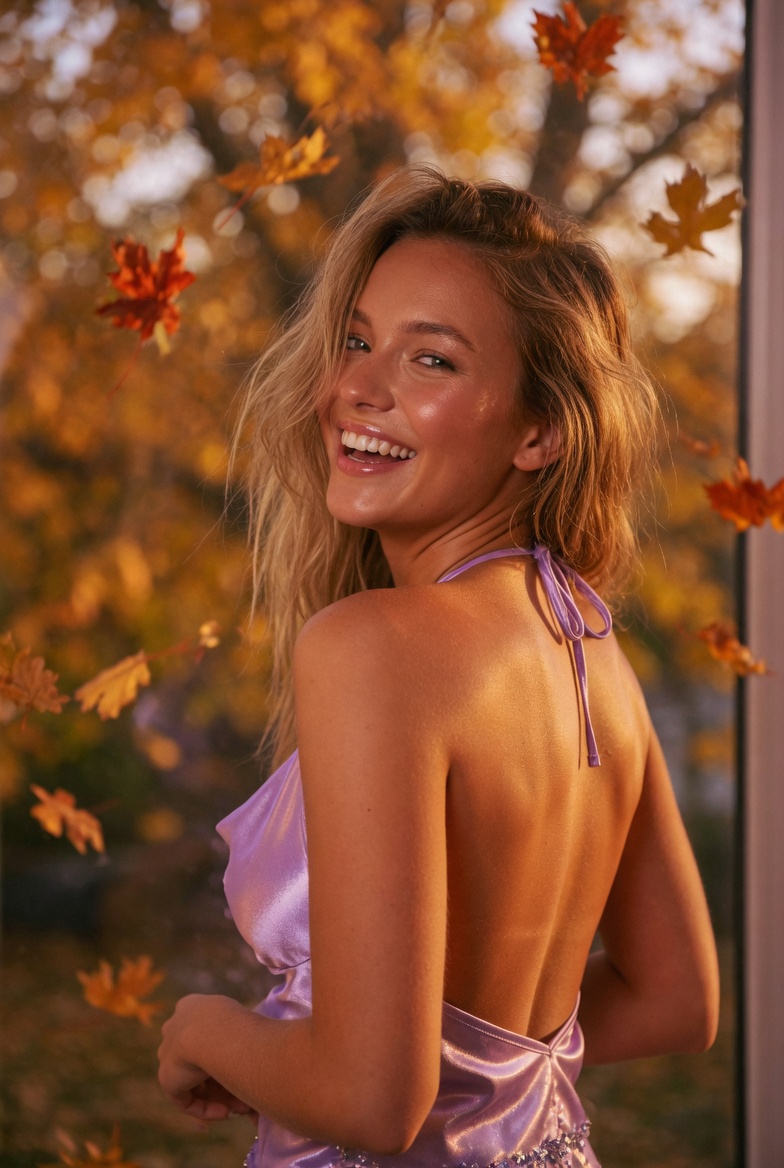


Imagine standing at the edge of a golden field just before sunset. The air smells like dry grass and fading summer. Your subject turns — bare back catching the last warm light — and for a split second, everything looks like a film still from a movie you can’t stop thinking about. That’s the magic of autumn portrait photography, and it’s more achievable than you think.
Why Golden Hour Portraits Hit Different in Autumn
There’s a reason photographers obsess over the golden hour, but autumn golden hour is something else entirely. The sun sits lower in the sky, stretching that warm, directional light into a longer window you can actually work with. The color temperature drops into deep ambers and soft peaches — tones that make skin glow without any post-processing tricks. Pair that with the natural backdrop of dried golden grass, scattered leaves, and that slightly hazy quality the air gets in early fall, and you have a built-in color palette that editorial photographers spend hours trying to recreate in a studio.
The key is positioning your subject so the sun is behind or to the side of them. Backlighting creates that dreamy rim light along the shoulders and hair, while side lighting sculpts the face with soft shadows that add dimension. Shoot wide open — f/1.2 to f/1.8 — and let the background melt into warm bokeh. The result is a portrait that feels cinematic and intimate at the same time.
Styling That Elevates the Shot: Less Is More
The most compelling autumn portraits lean into simplicity. A backless halter top, an off-shoulder knit, bare shoulders catching light — these choices aren’t just aesthetic, they’re strategic. Exposed skin gives the golden light something to play off of, creating natural highlights and warmth that fabric alone can’t achieve. Satin and silk fabrics in muted tones like lavender, champagne, or dusty rose catch and reflect that ambient glow beautifully.
Think about the Y2K revival aesthetic that’s dominating visual culture right now: soft pastels, slight film grain, lifted shadows, and a warm magenta undertone. You can achieve this look in-camera by slightly overexposing and choosing wardrobe colors that complement the golden surroundings. In post-production, a gentle shift toward warm magentas in the highlights and lifted blacks in the shadows will nail that retro-editorial feel without looking over-processed.
Making It Your Own: Direction and Emotion
The technical setup matters, but what separates a good portrait from a stop-your-scroll portrait is emotion. Instead of directing your subject to “smile” or “look here,” try prompts that evoke feeling: “Think about the last time you felt completely free” or “Turn slowly like you’re keeping a secret.” The over-the-shoulder glance, the slight chin lift, the hand resting on the neck — these micro-gestures communicate confidence and vulnerability simultaneously, which is exactly what makes editorial portraits magnetic.
Don’t be afraid to shoot through natural elements either. A few out-of-focus grass blades in the foreground or a streak of lens flare across the frame adds texture and spontaneity that perfectly polished shots sometimes lack.
If you want to create stunning portrait visuals like these yourself — whether for mood boards, creative direction, or just pure inspiration — ruke.online has AI-powered tools that make it incredibly easy to generate editorial-quality imagery, no professional setup needed. It’s the fastest way to go from idea to visual.